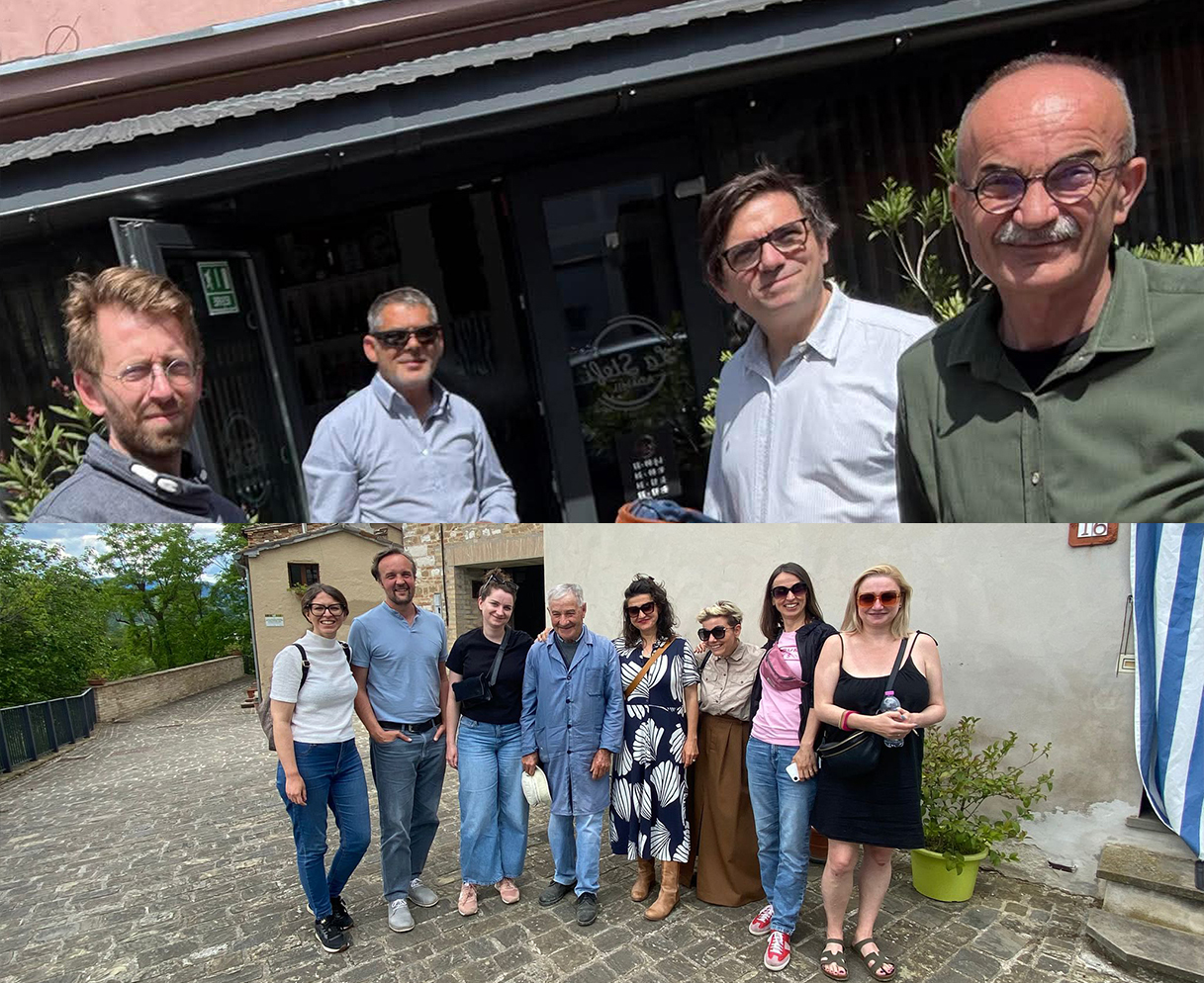
As part of the European project SPARSE Plus – Supporting and Promoting Arts in Rural Settlements of Europe – two recent shadowing visits offered partners the opportunity to step directly into each other’s daily practices, strengthening connections and exchanging ideas on how culture can thrive both in rural and urban communities across Europe.
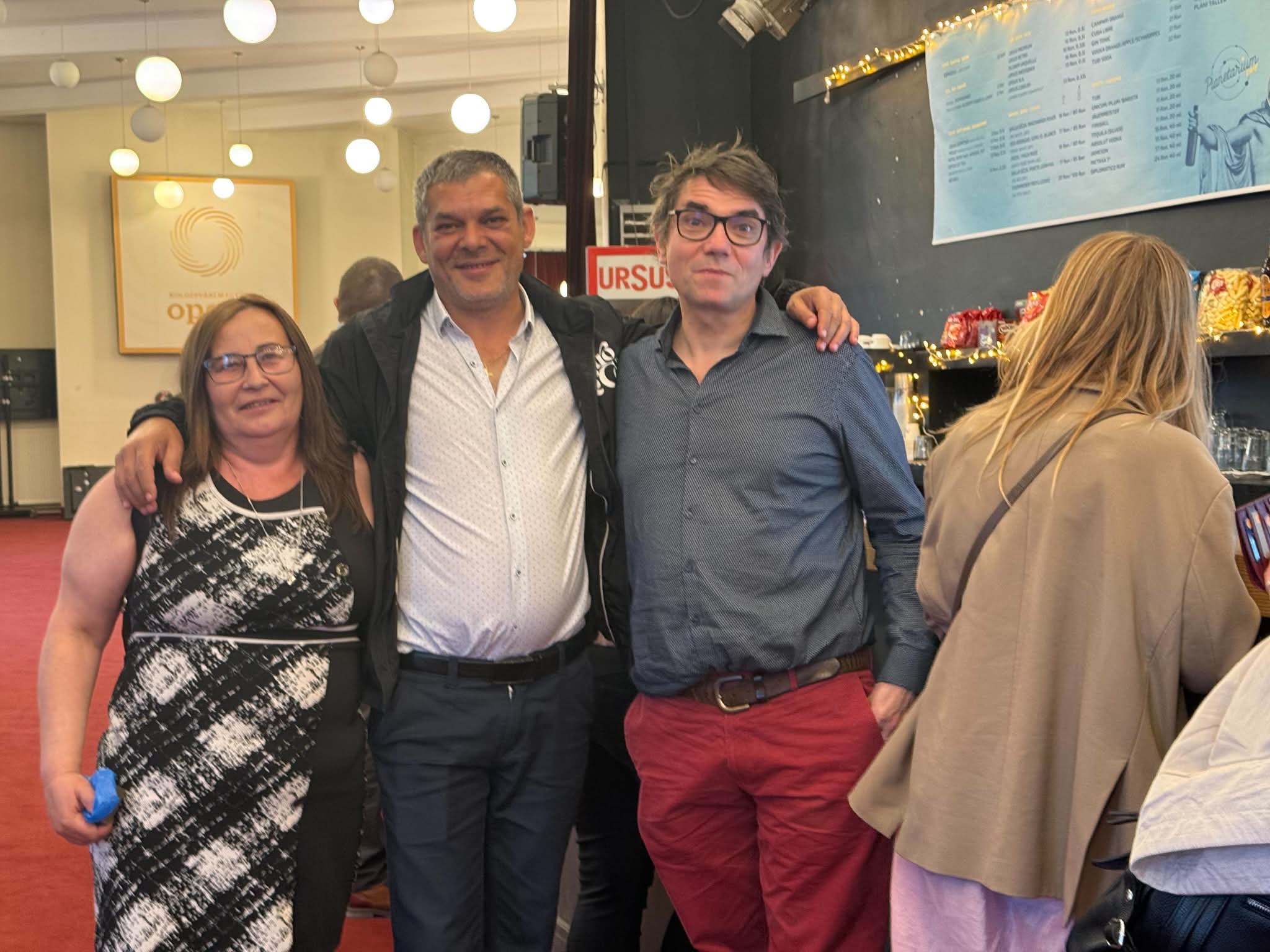
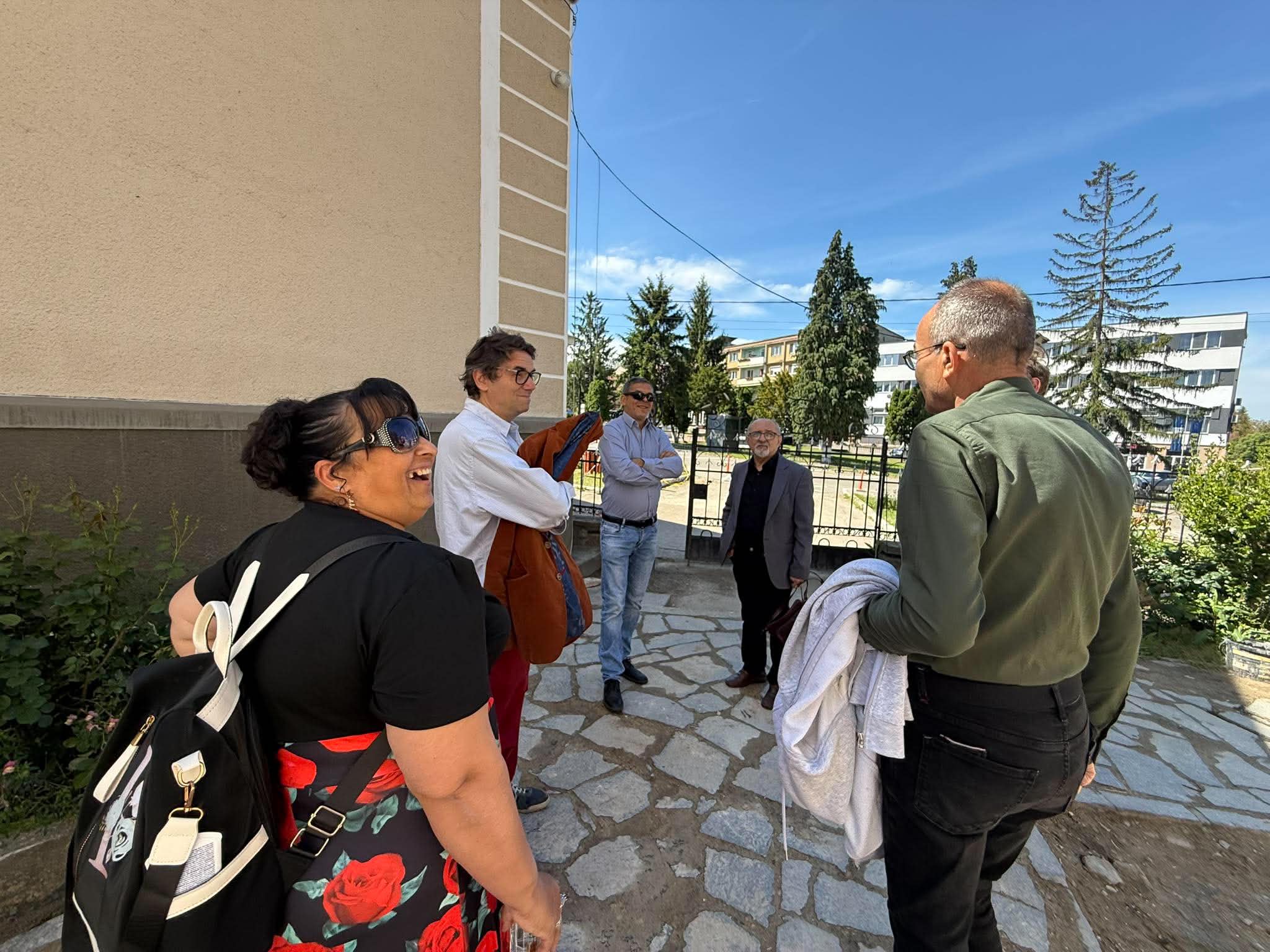
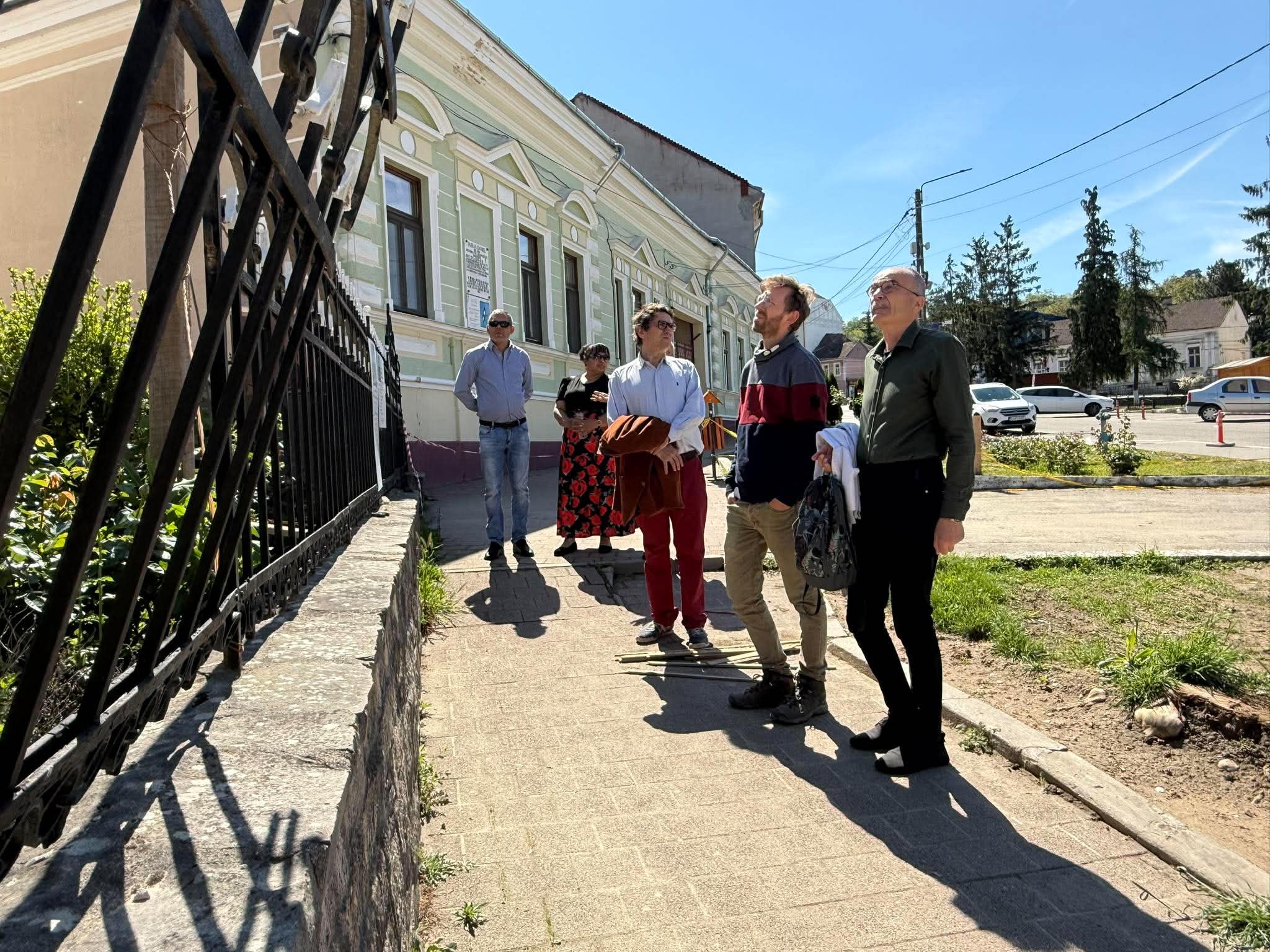
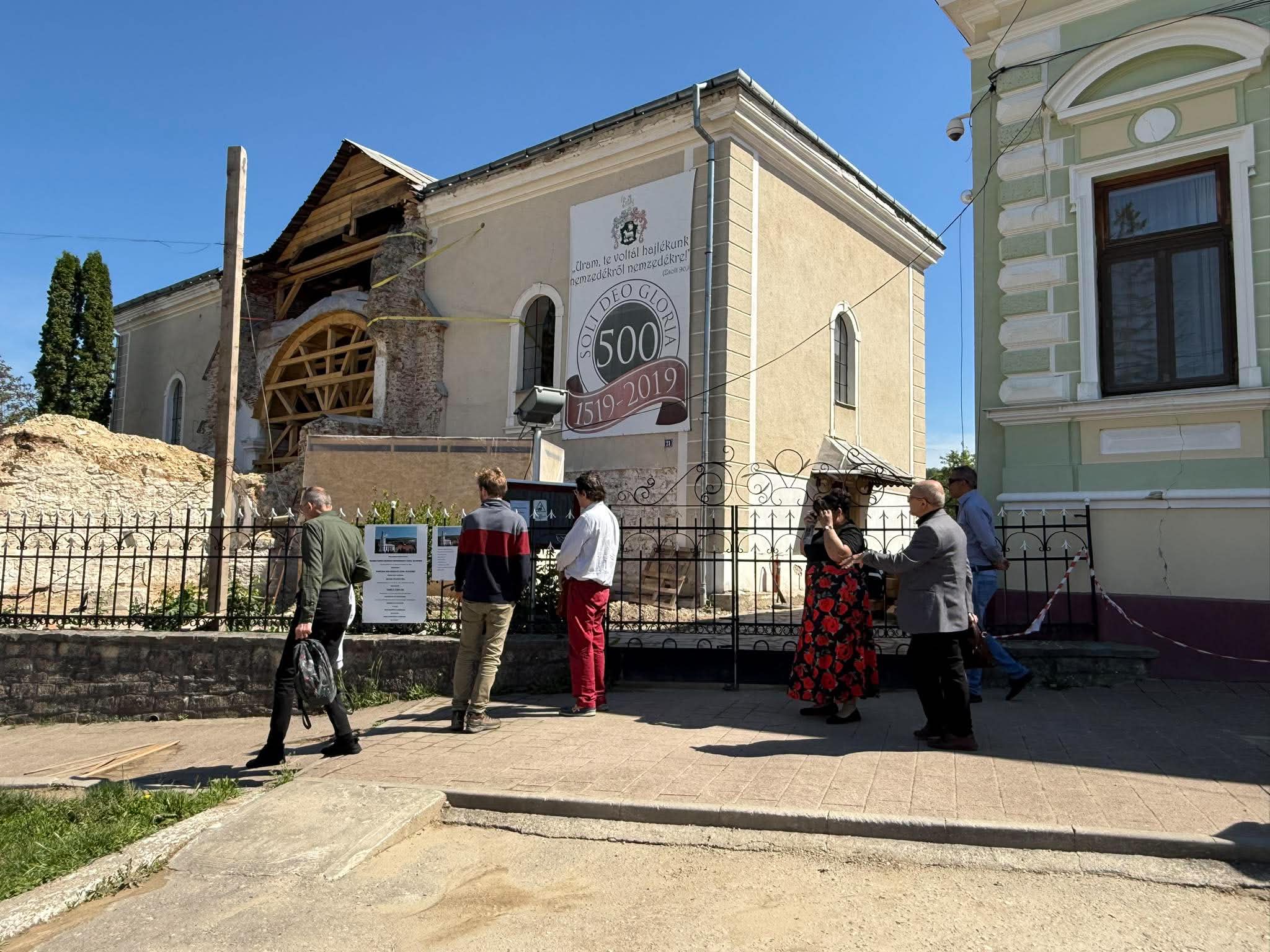
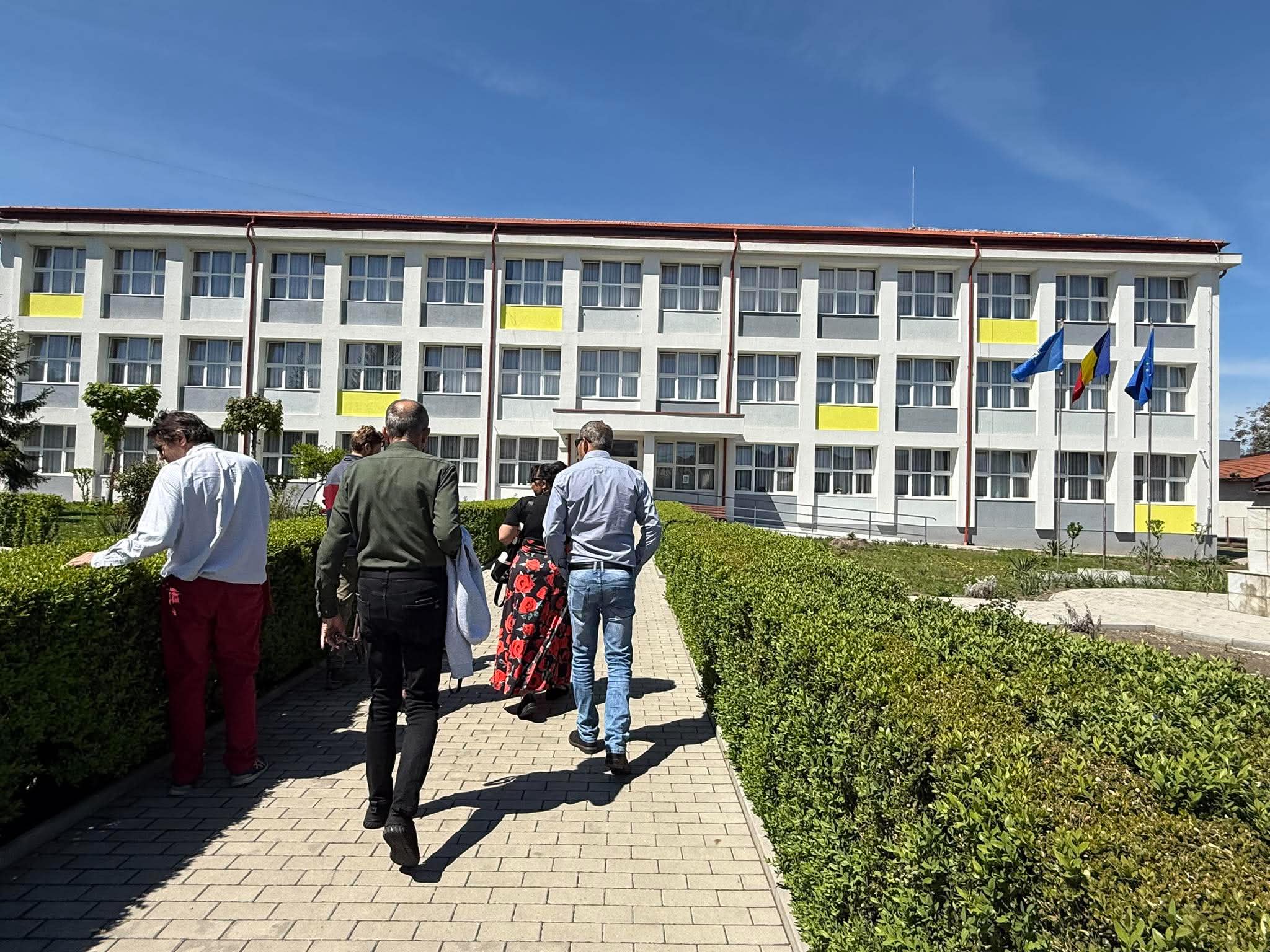
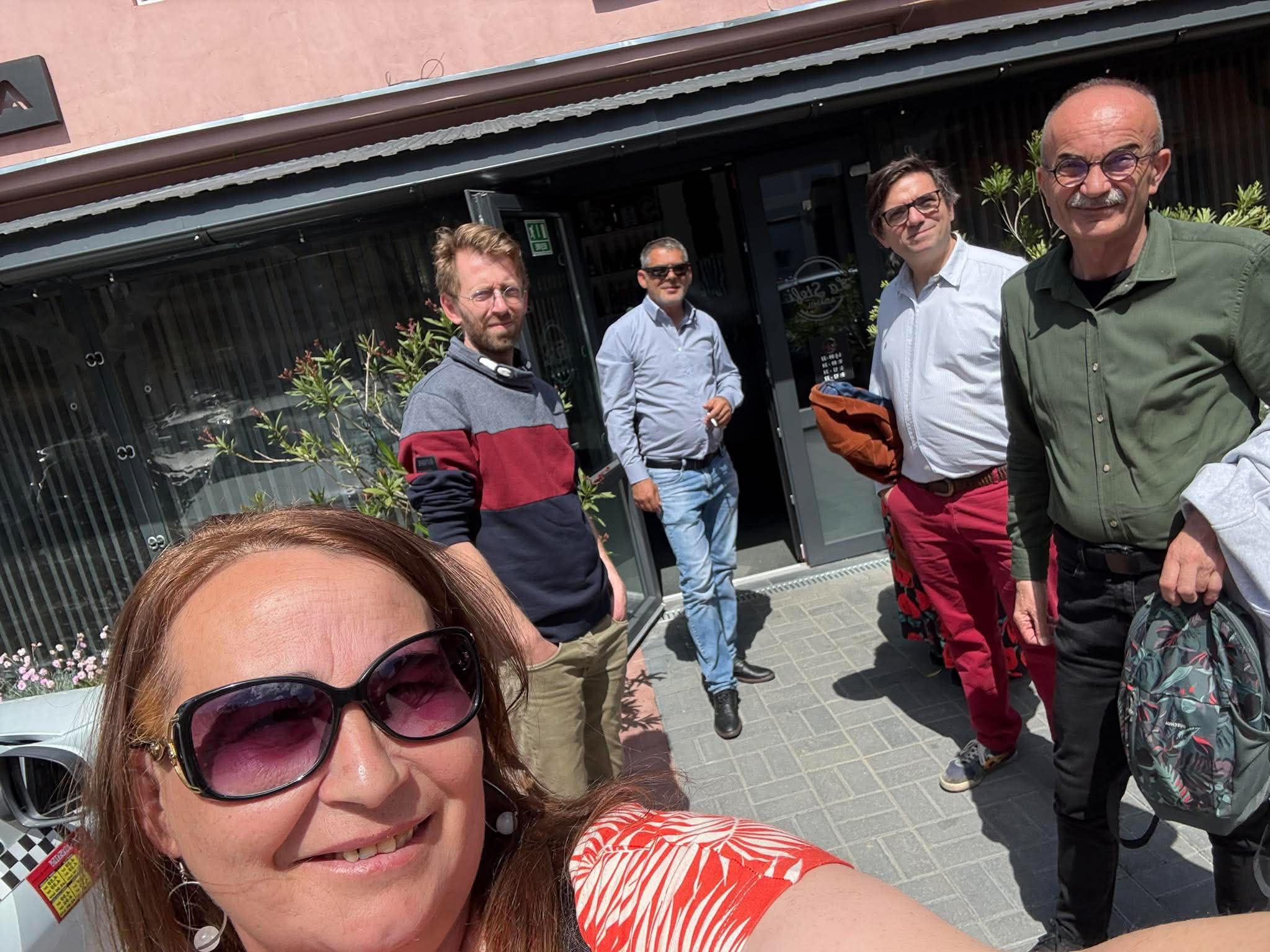
The first visit brought together the Hungarian partner Pro Progressione and the Romanian organisation Shoshin Theatre Association. Over several days, the artistic director of Utcaszínházi Alkotóközösség Association, Balázs Simon, together with local promoters Norbert Káló (Szendrőlád),Julianna Budai (Borsodbóta), and Éva Gulyásné (Sajókaza), travelled to Cluj-Napoca and Cehu Silvaniei for an immersive exchange experience.
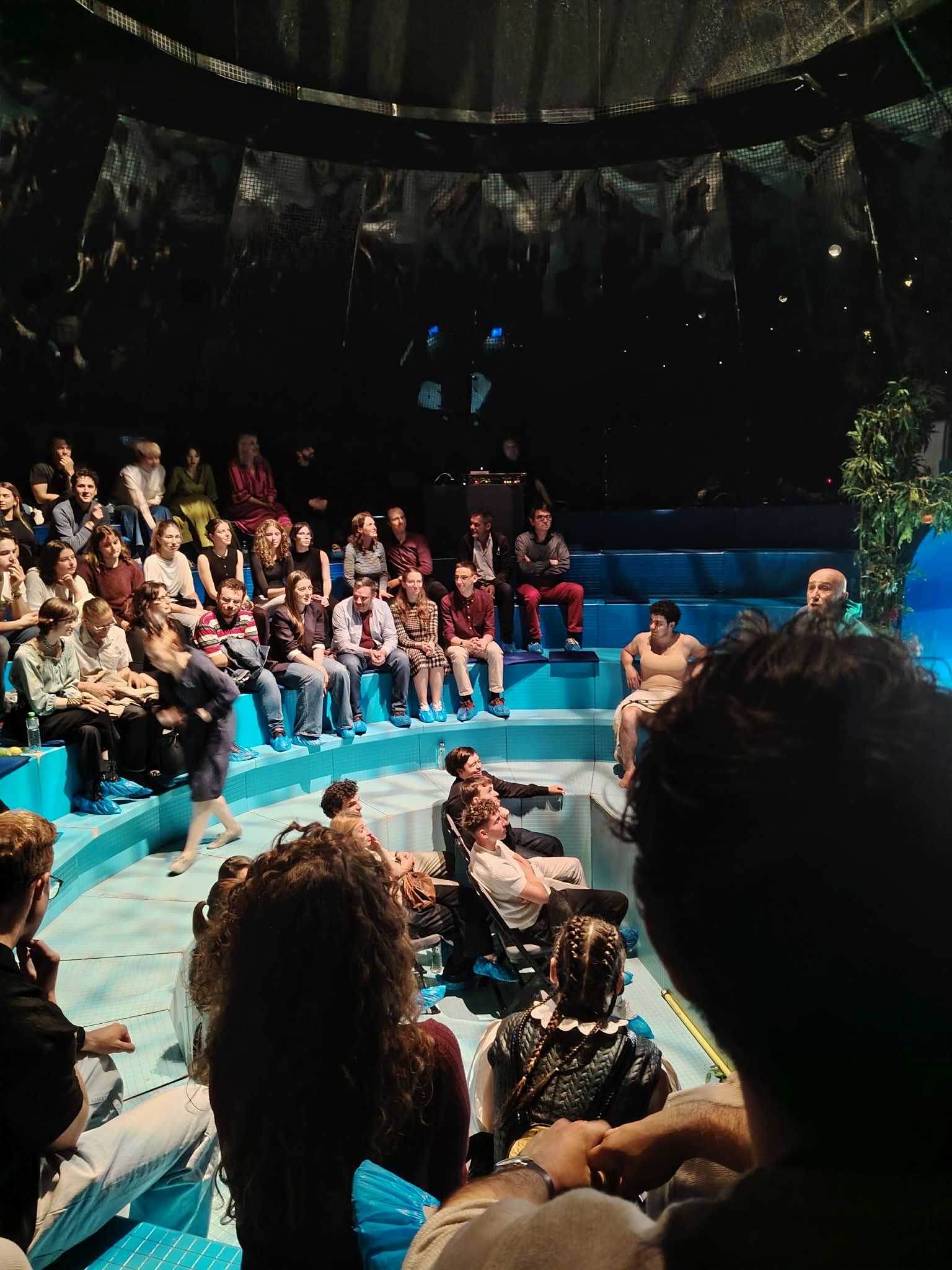
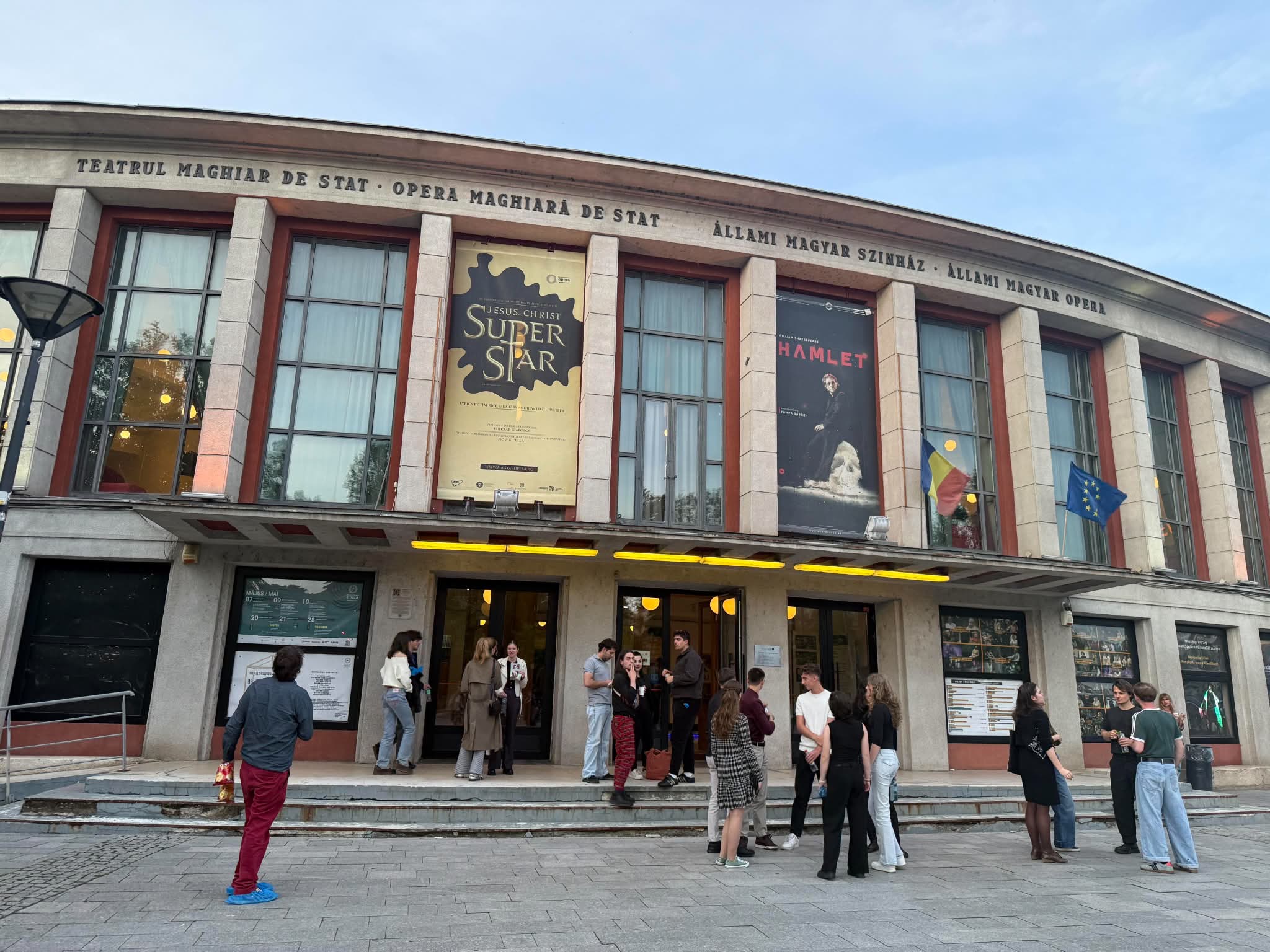
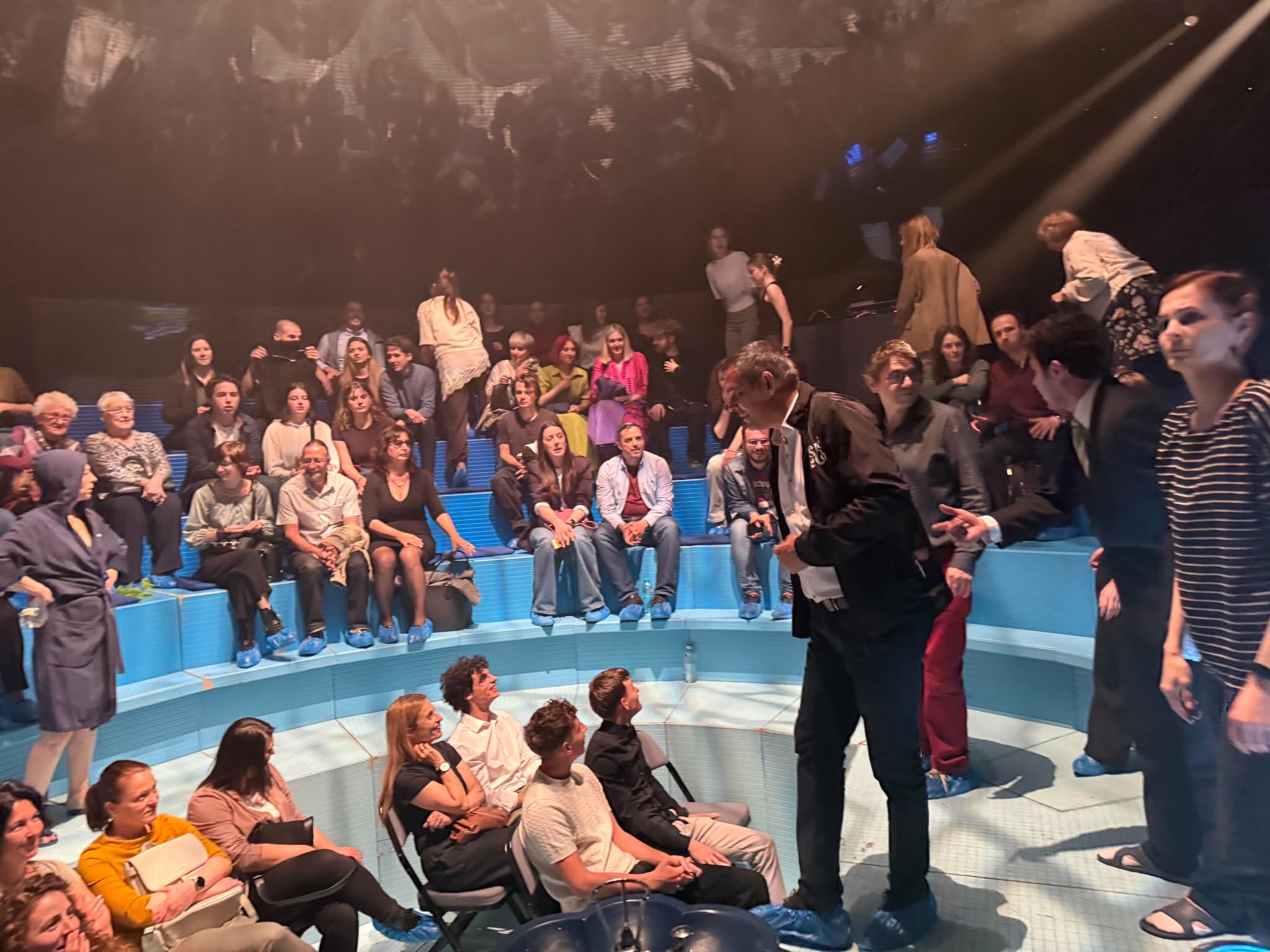
Rather than a formal conference or a simple study trip, the visit became a genuine encounter with people, local communities, and active cultural initiatives. The programme began with attendance at the Hungarian Theatre of Cluj’s production of Romeo and Juliet, directed by Attila Vidnyánszky Jr.. The following day, under the guidance of Csongor Köllő, the group explored the city and gained deeper insight into Shoshin Theatre Association’s work and approach to community engagement.
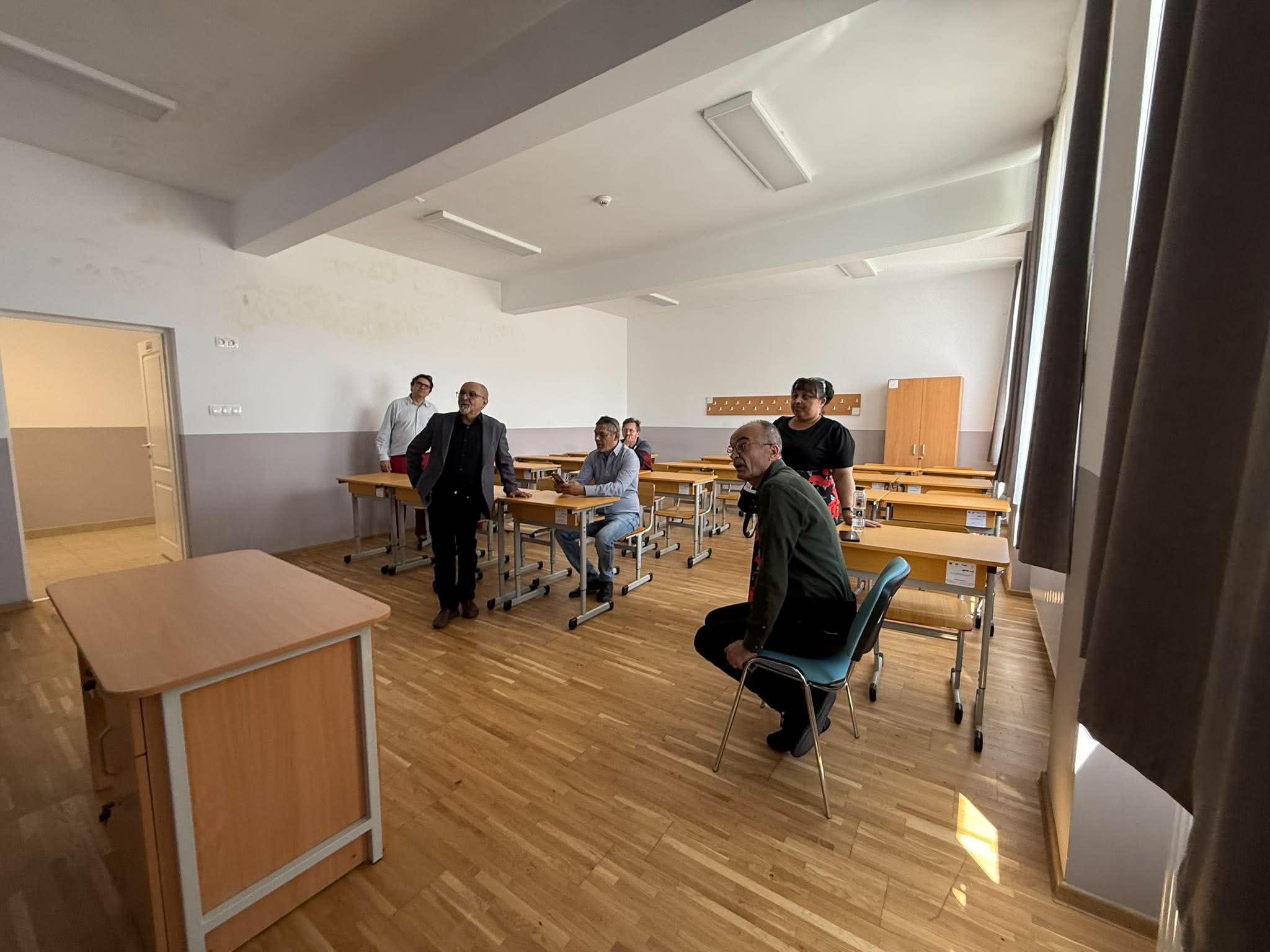
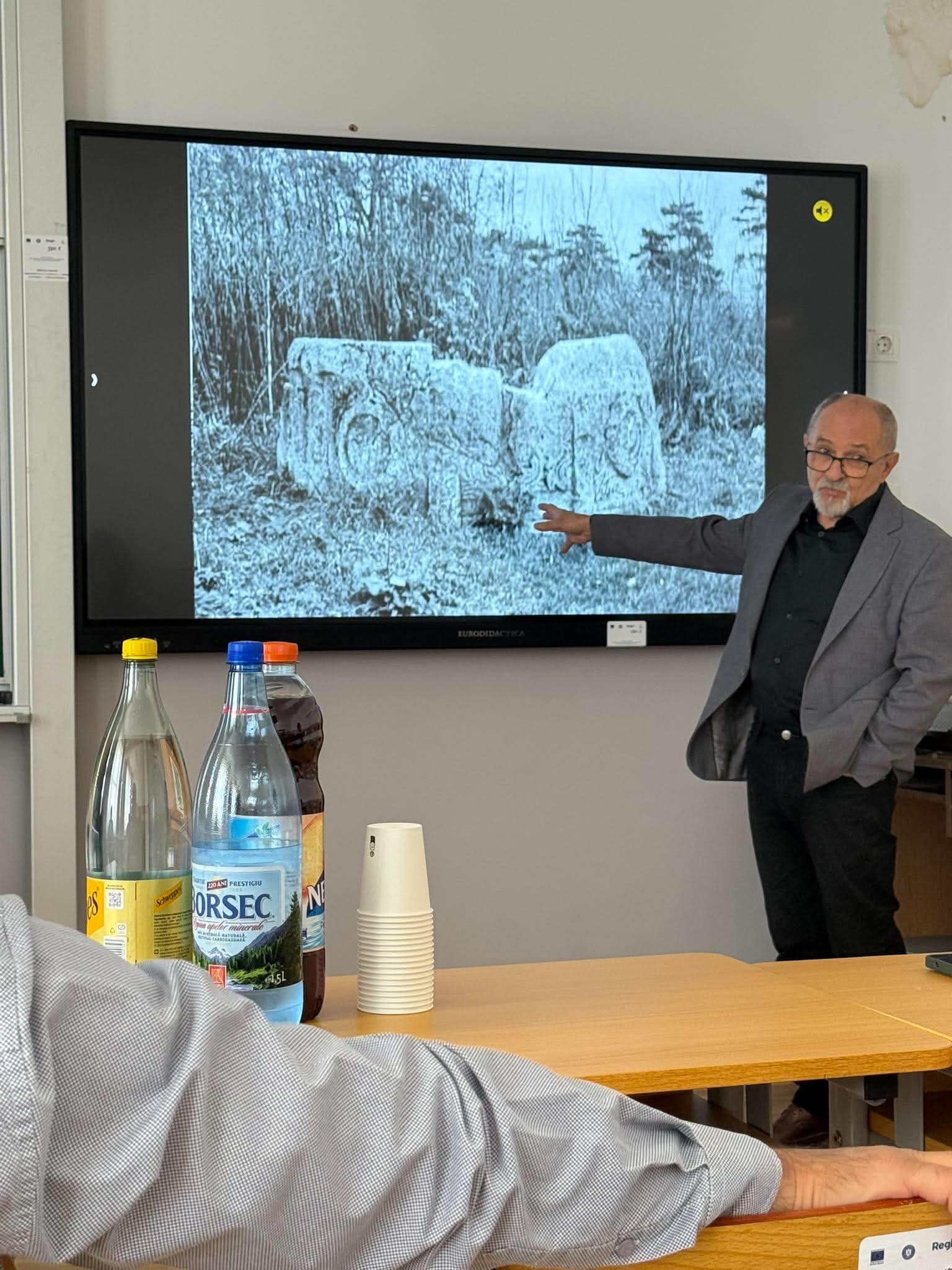
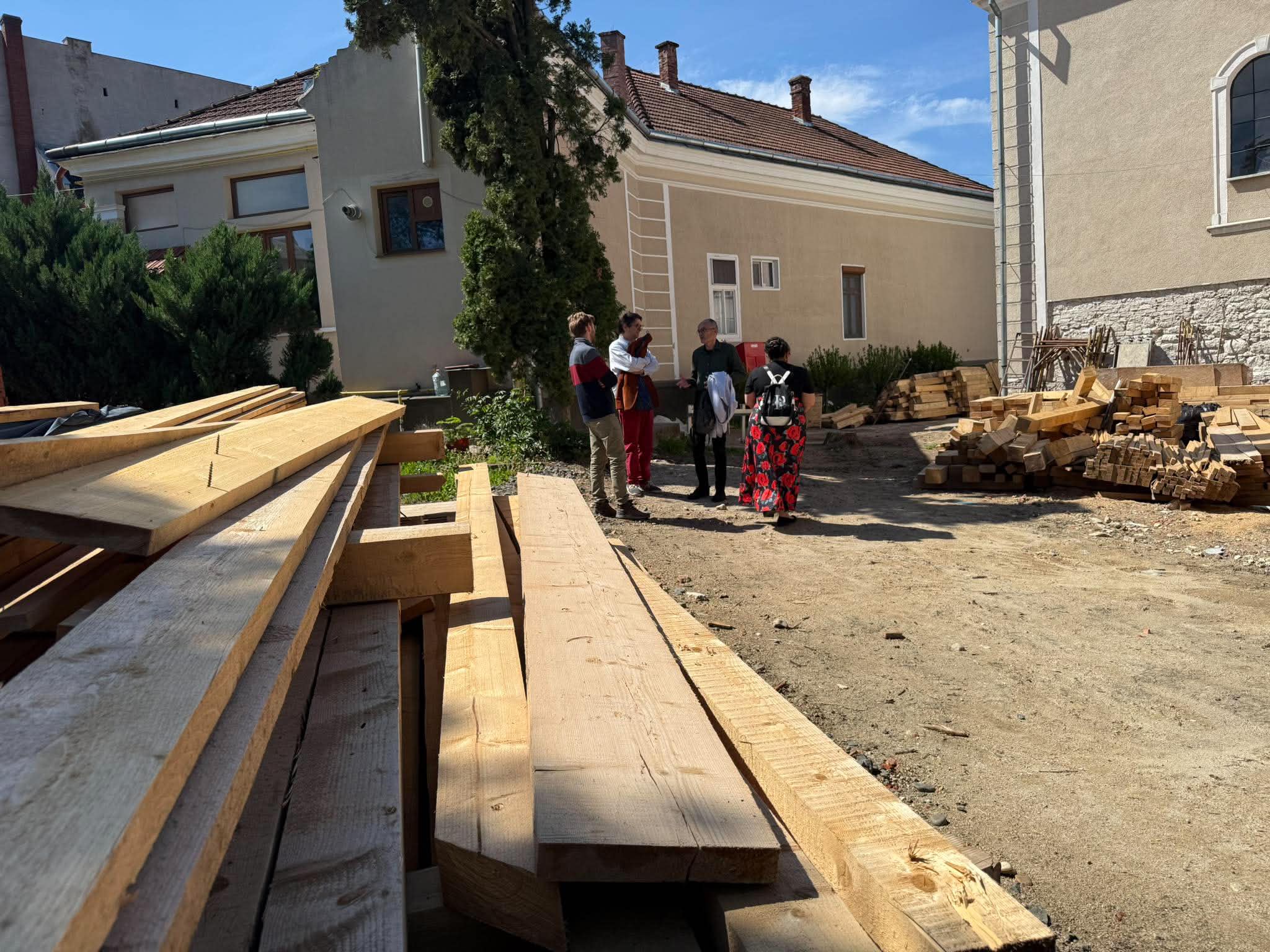
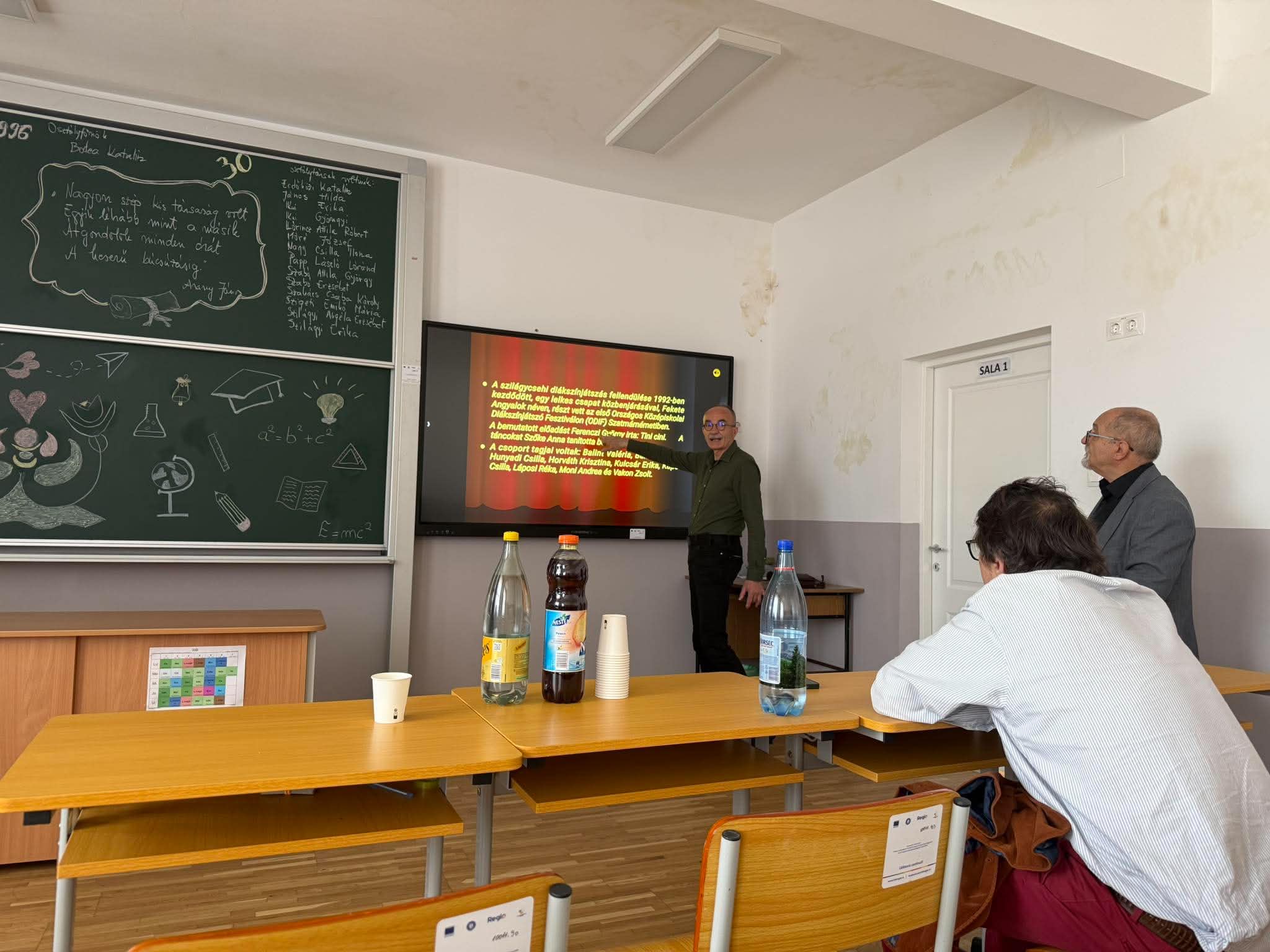
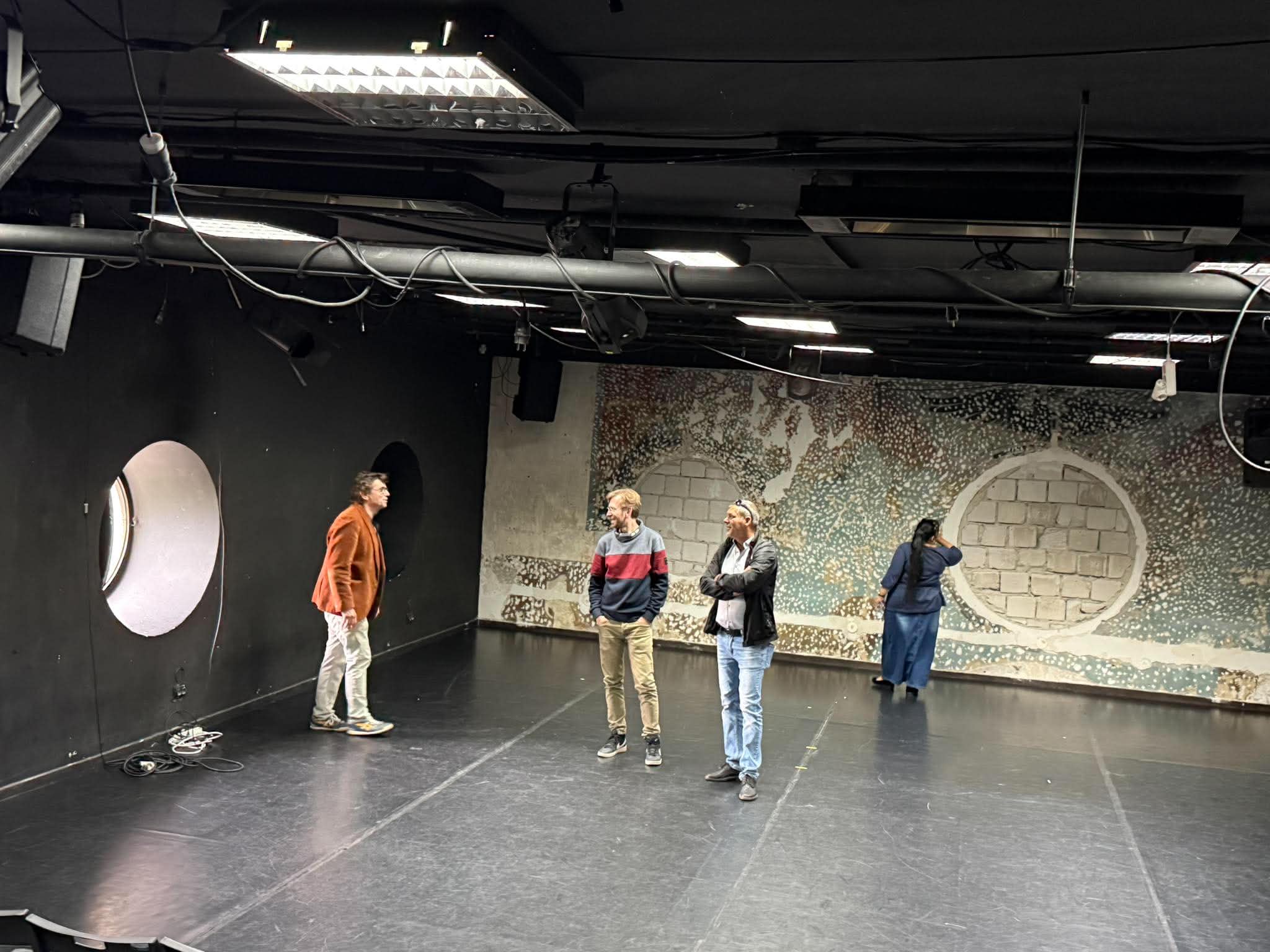
Particularly inspiring was the visit to the ZIZ – Art and Social Area community space, where participants discovered how cultural and social programmes are built through strong local collaborations and long-term relationships with the territory. The journey then continued to Cehu Silvaniei, where György Bodea welcomed the delegation and introduced them to the town’s history, public spaces, and cultural identity. Presentations hosted at the Gheorghe Pop de Băseşti Technical High School focused on local theatre activities, the history of PADIF, and the importance of cultural participation in smaller communities.
Even when conversations happened informally — during walks, meals, or shared travel moments — the exchange proved deeply meaningful. Participants recognised how, despite working in different countries and contexts, they are often facing the same questions: how to involve communities, how to sustain cultural participation, and how to create opportunities in places that are frequently distant from major cultural centres.
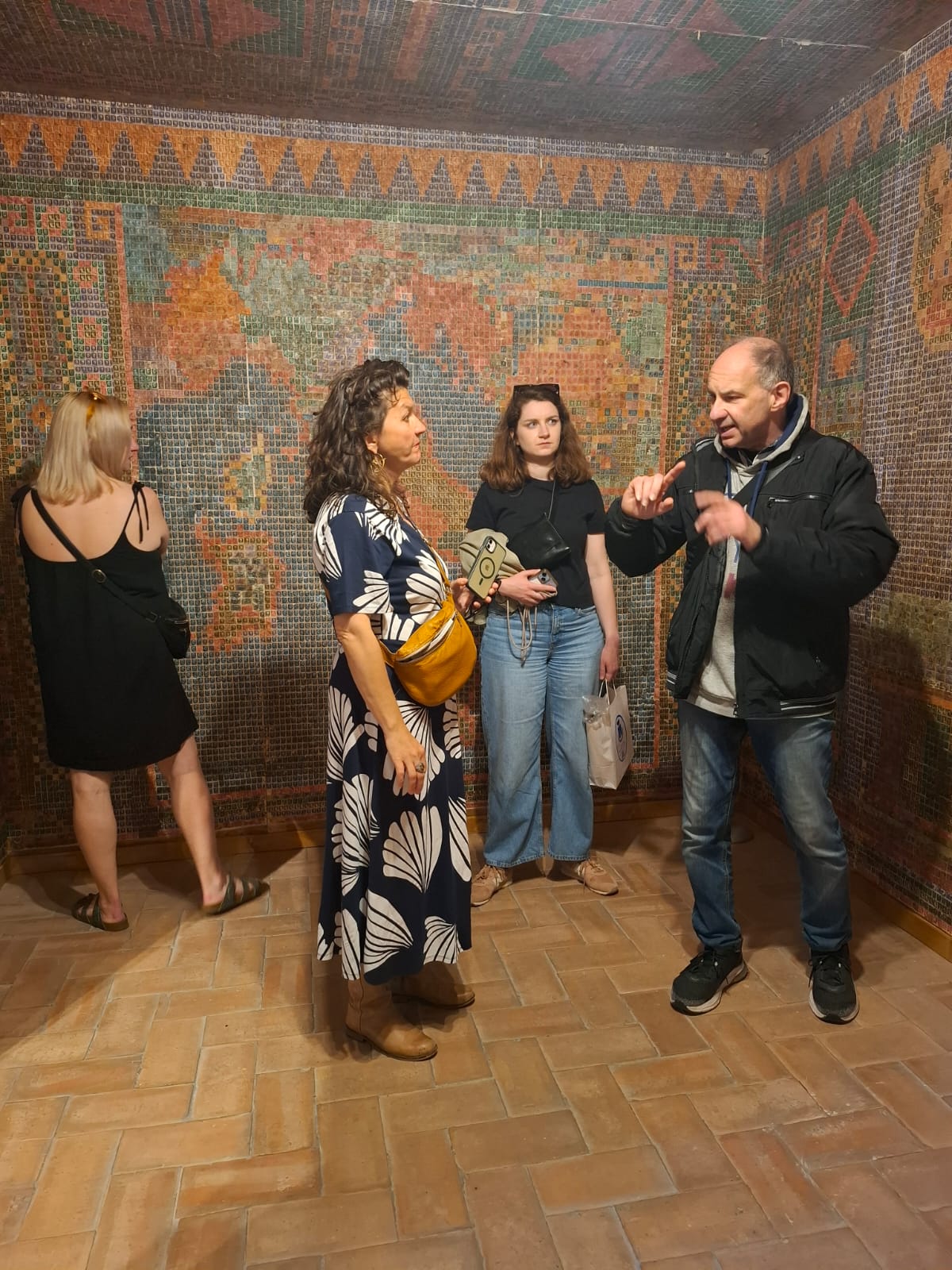
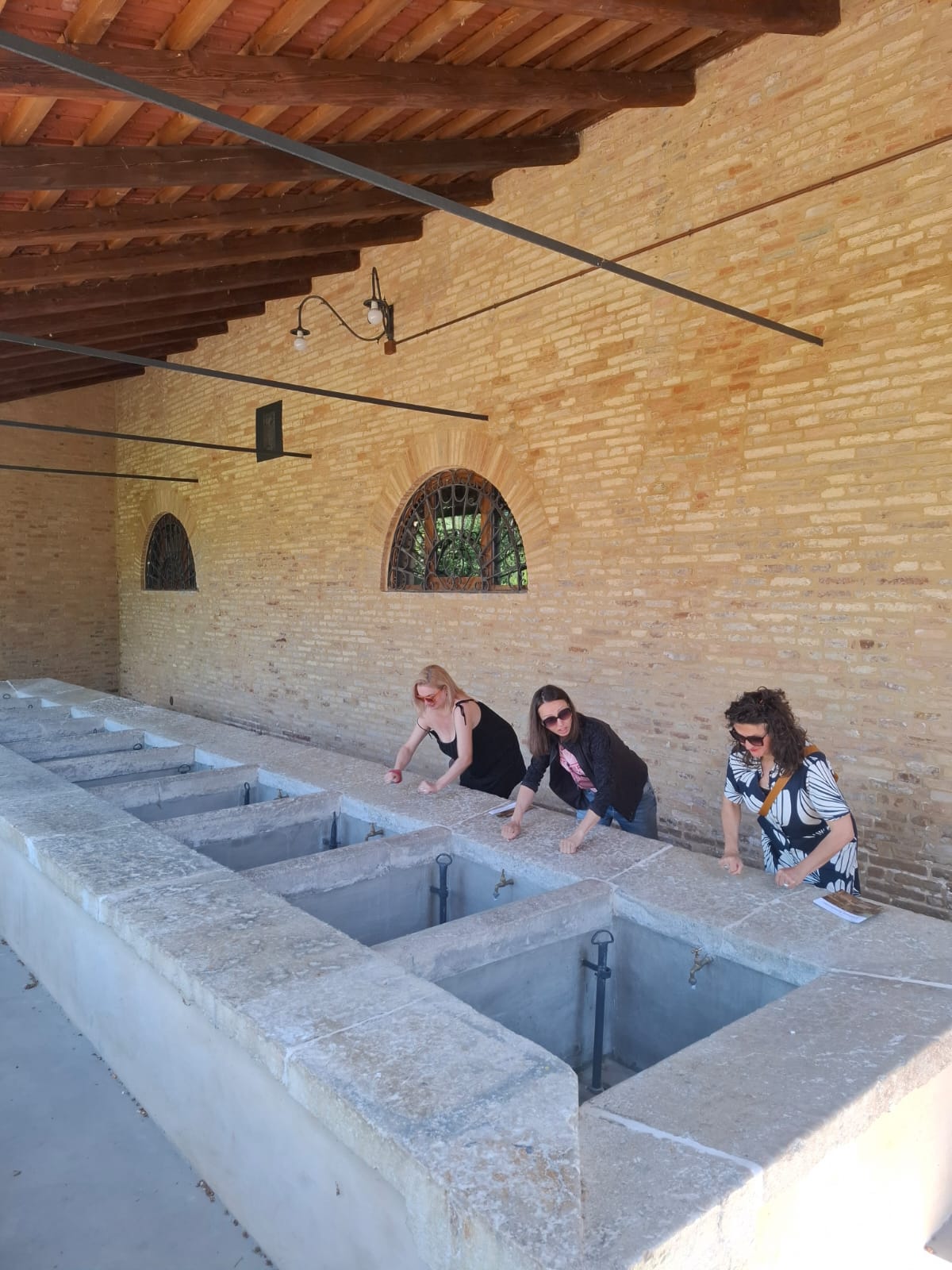
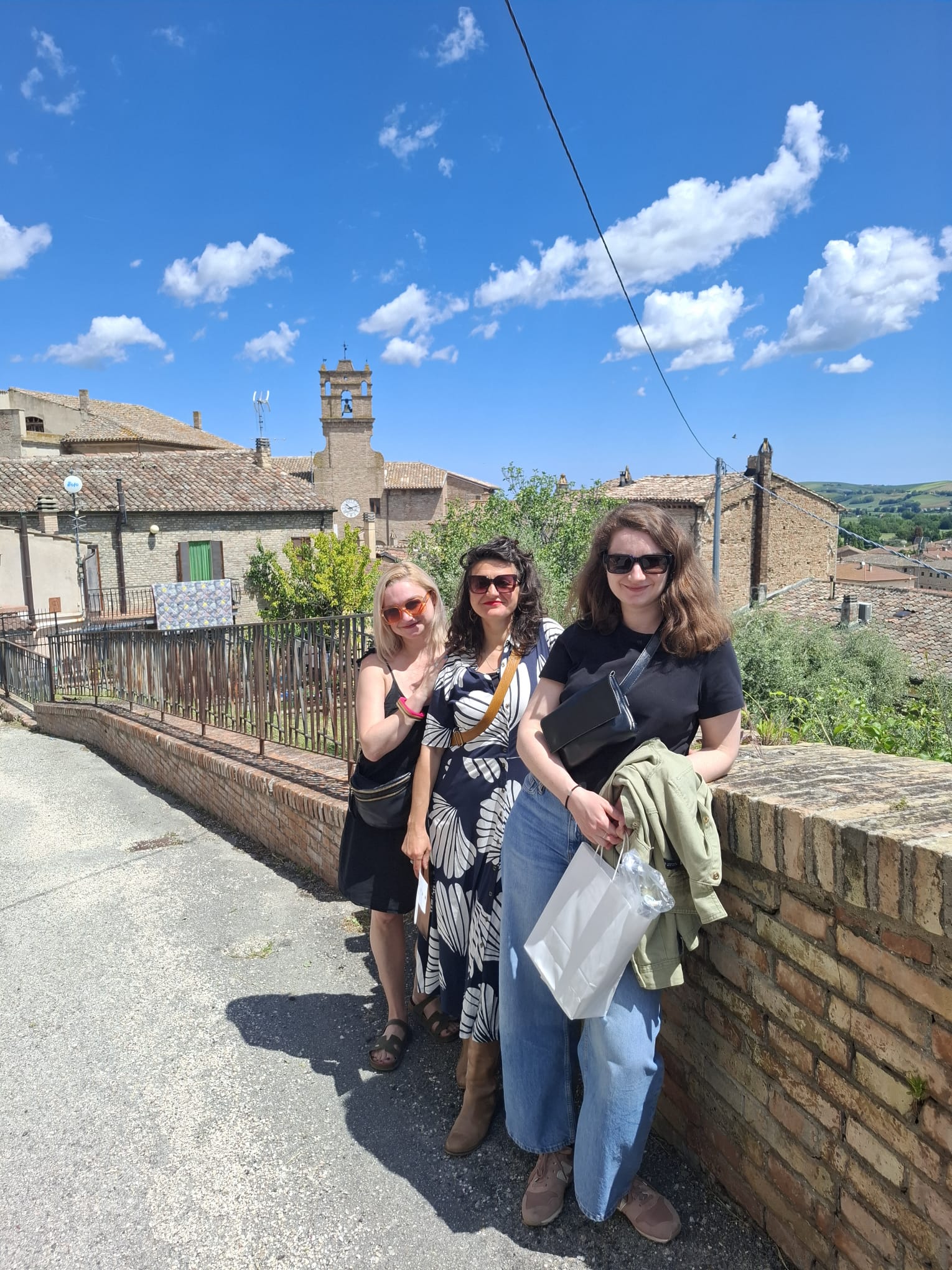
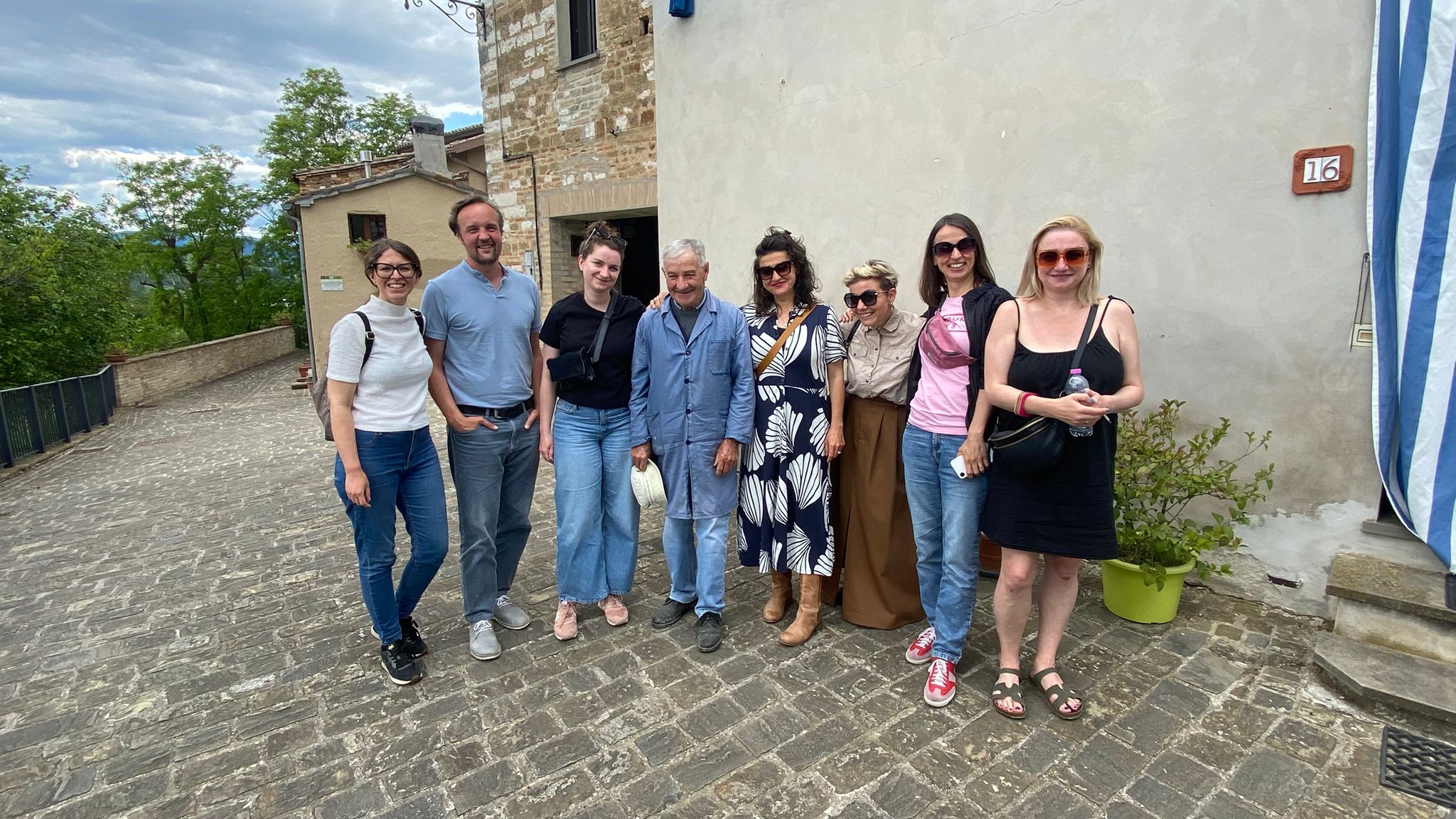
At the same time, another SPARSE Plus shadowing visit was taking place in Italy, where the Czech partner Nová síť visited AMAT to explore the Italian organisation’s approach to audience development, accessibility, and cultural programming across both urban and rural areas of the Marche region.
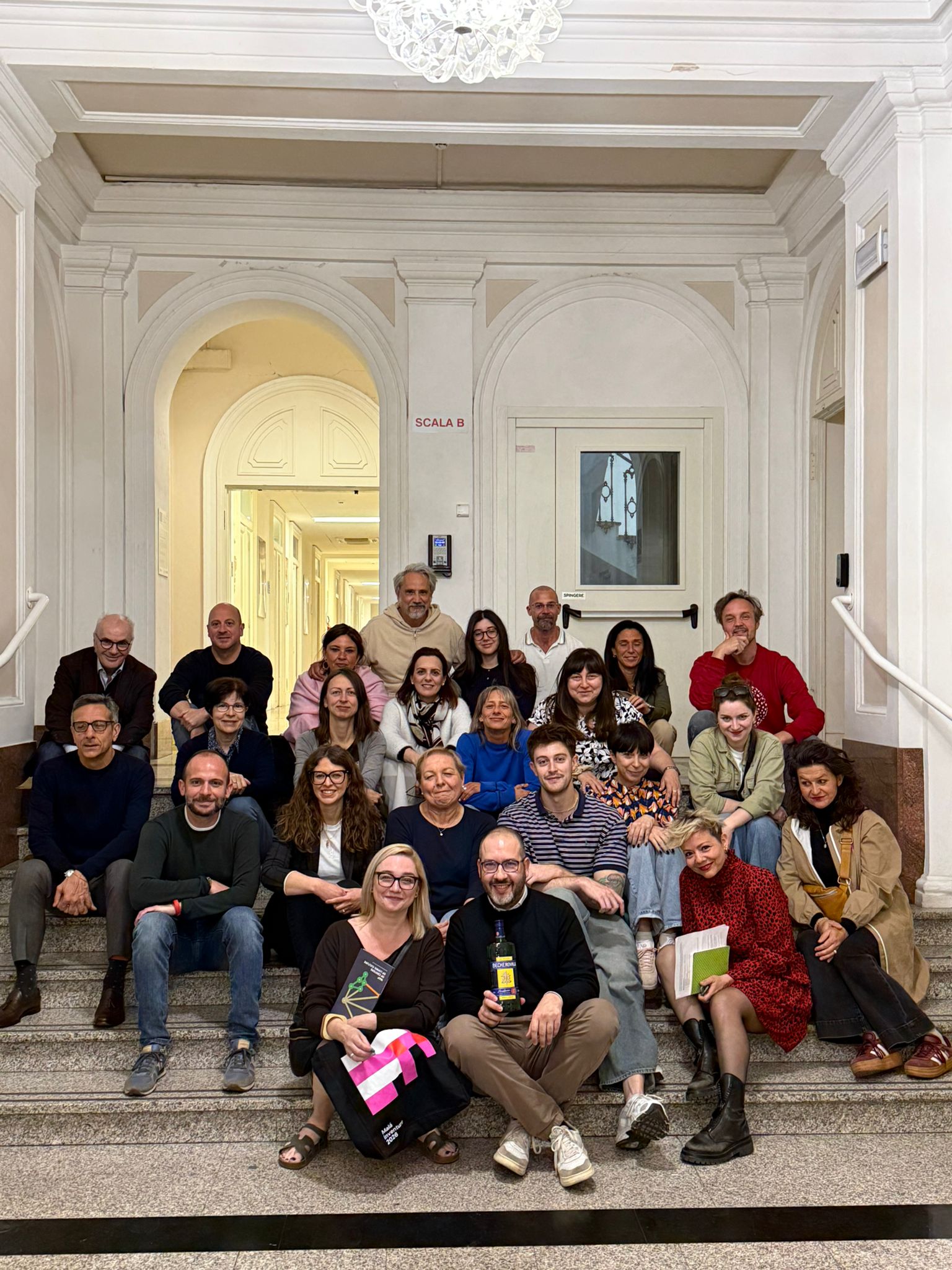
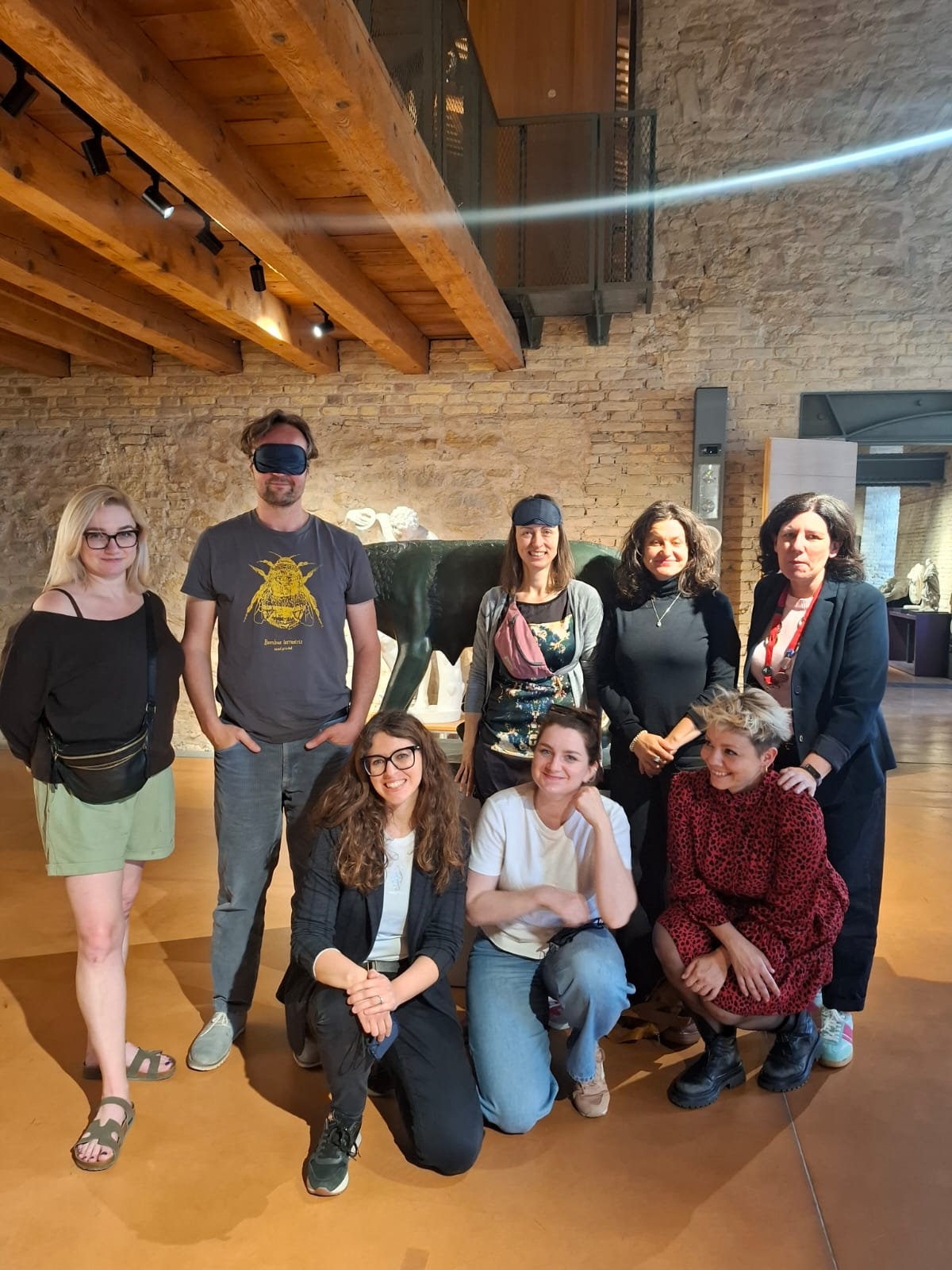
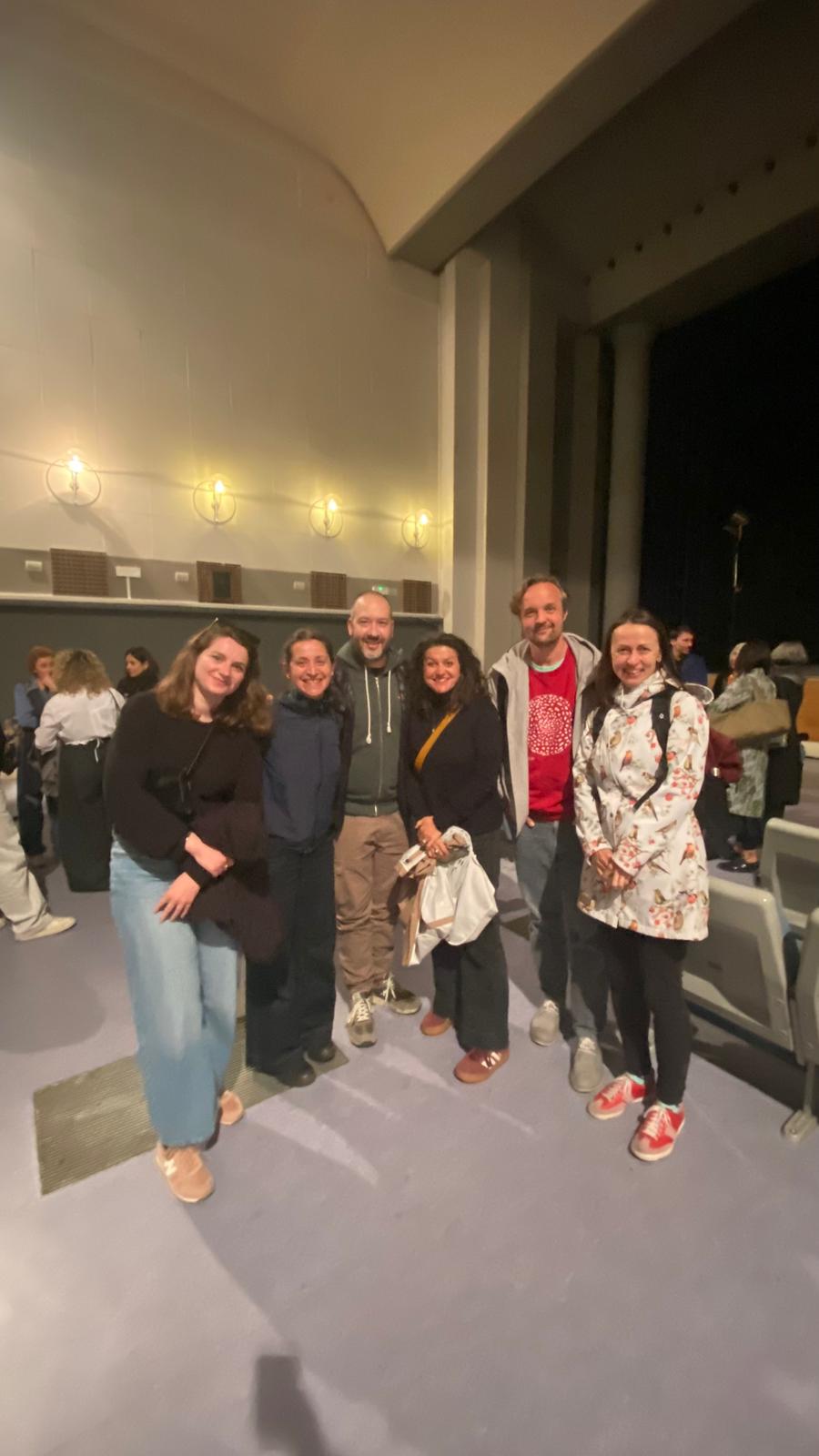
The Czech delegation included Aneta Hladovcová and Eliška Burdová, accompanied by local promoters Kateřina Bohadlová, Marketa Malkova and Pavel Kubaník.
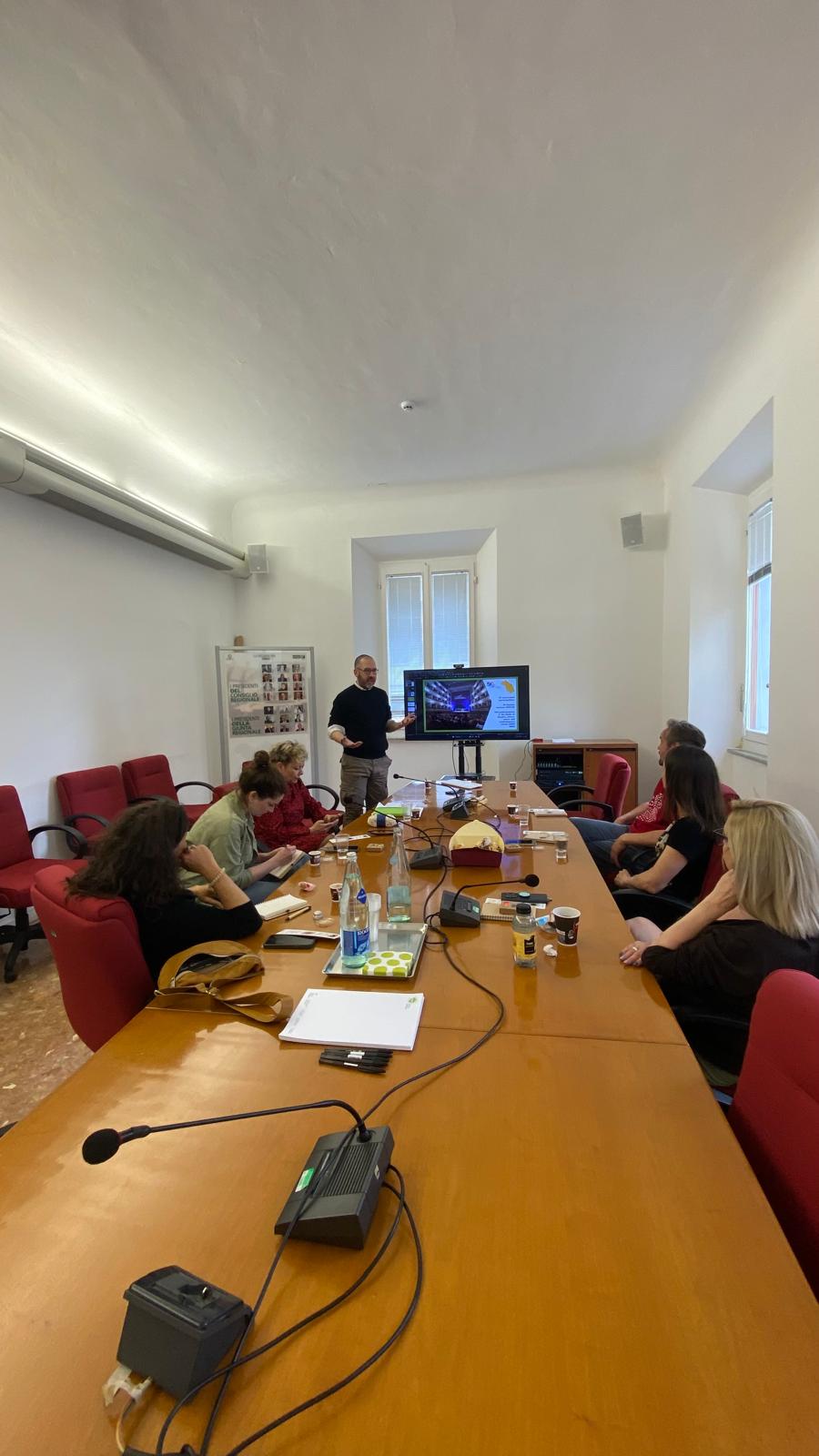
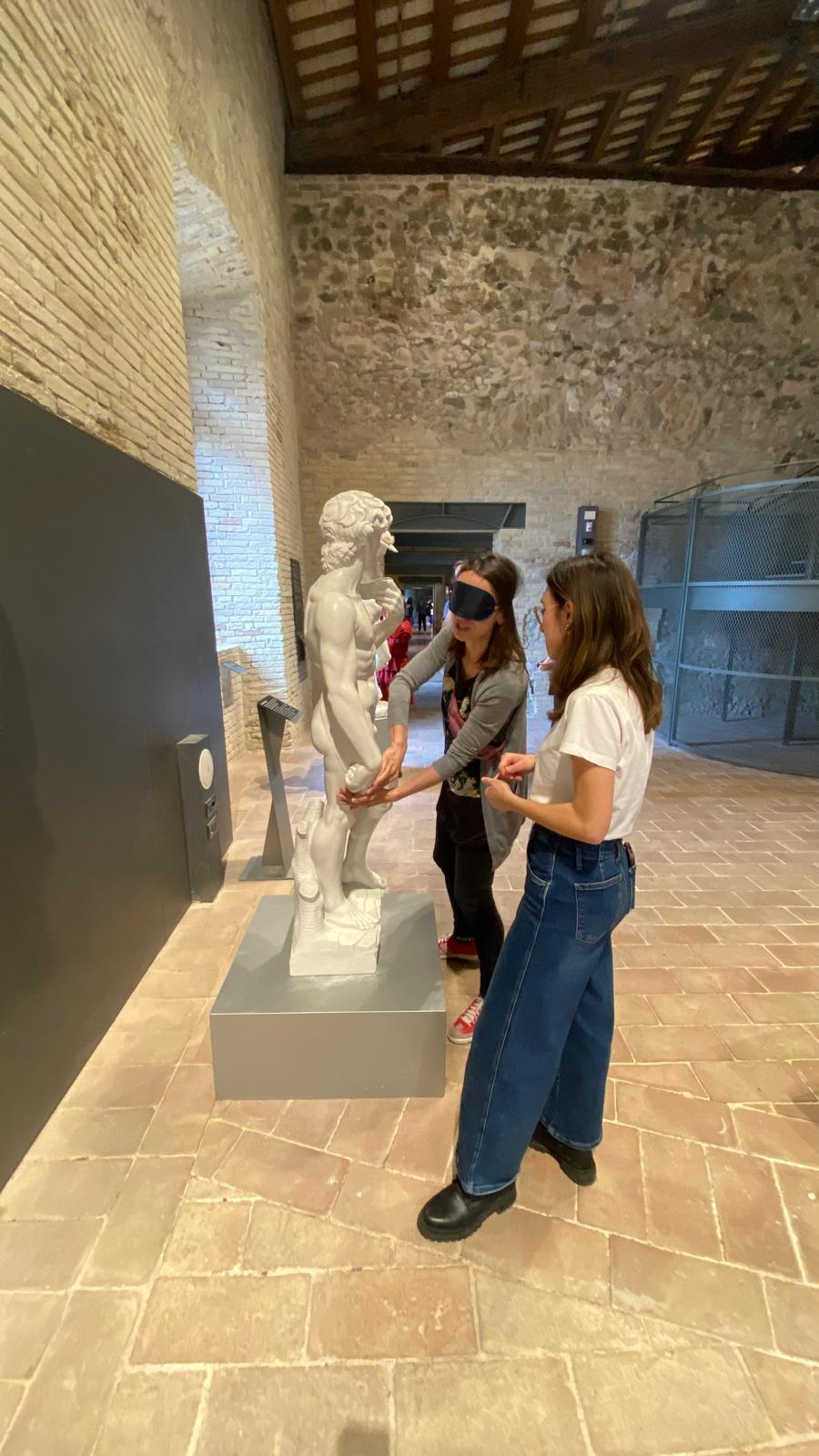
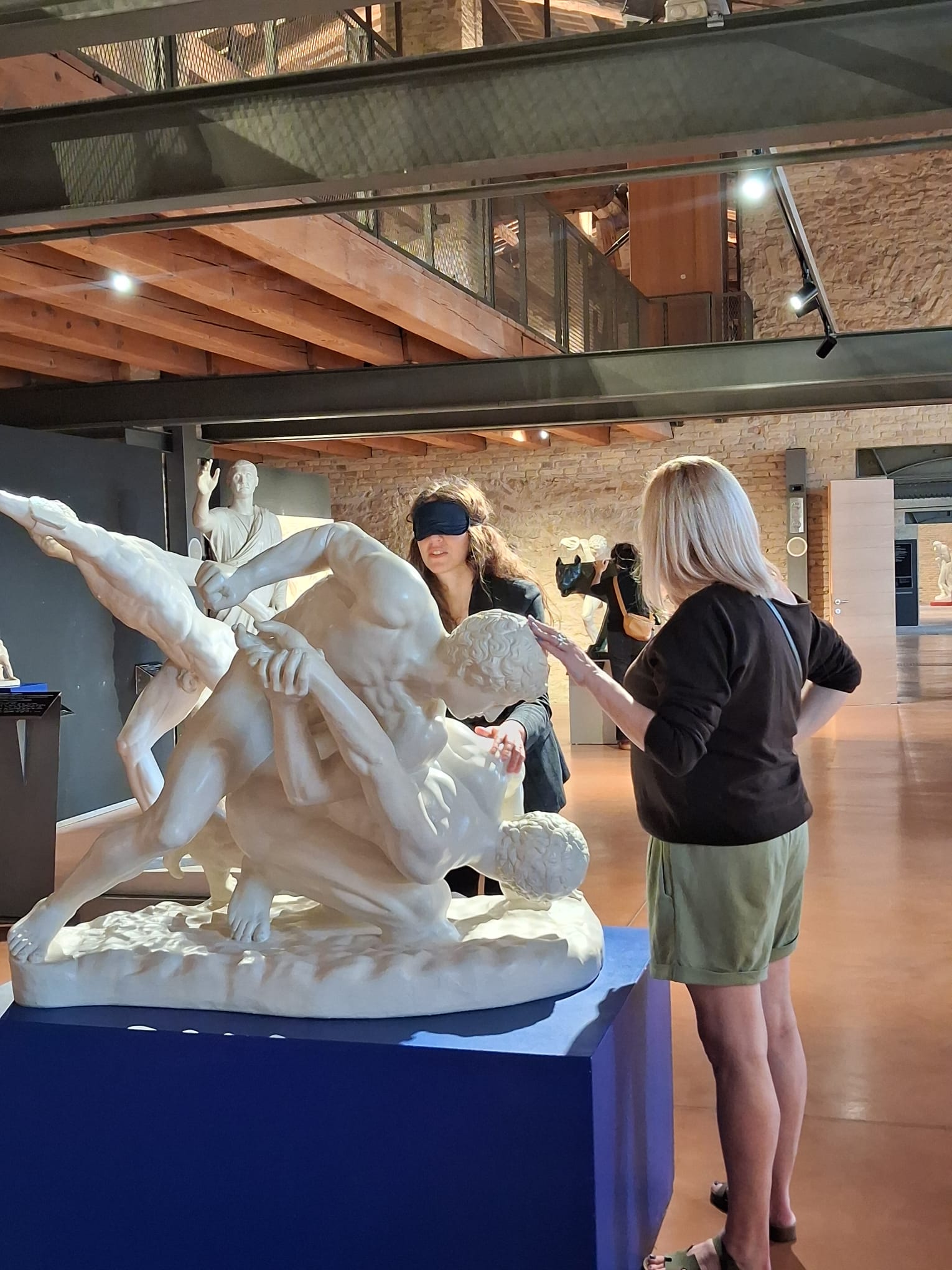
The visit began at AMAT’s offices, where the Czech delegation met the entire Italian team and took part in a first working session dedicated to funding systems, European projects, audience development strategies, accessibility, and inclusion practices. In the afternoon, the group travelled to Museo Tattile Statale Omero in Ancona, a unique example of accessible art in Italy. Guided through the museum’s tactile experience, participants were blindfolded to discover artworks through touch, gaining a powerful and direct understanding of how accessibility can transform the relationship between audiences and culture.
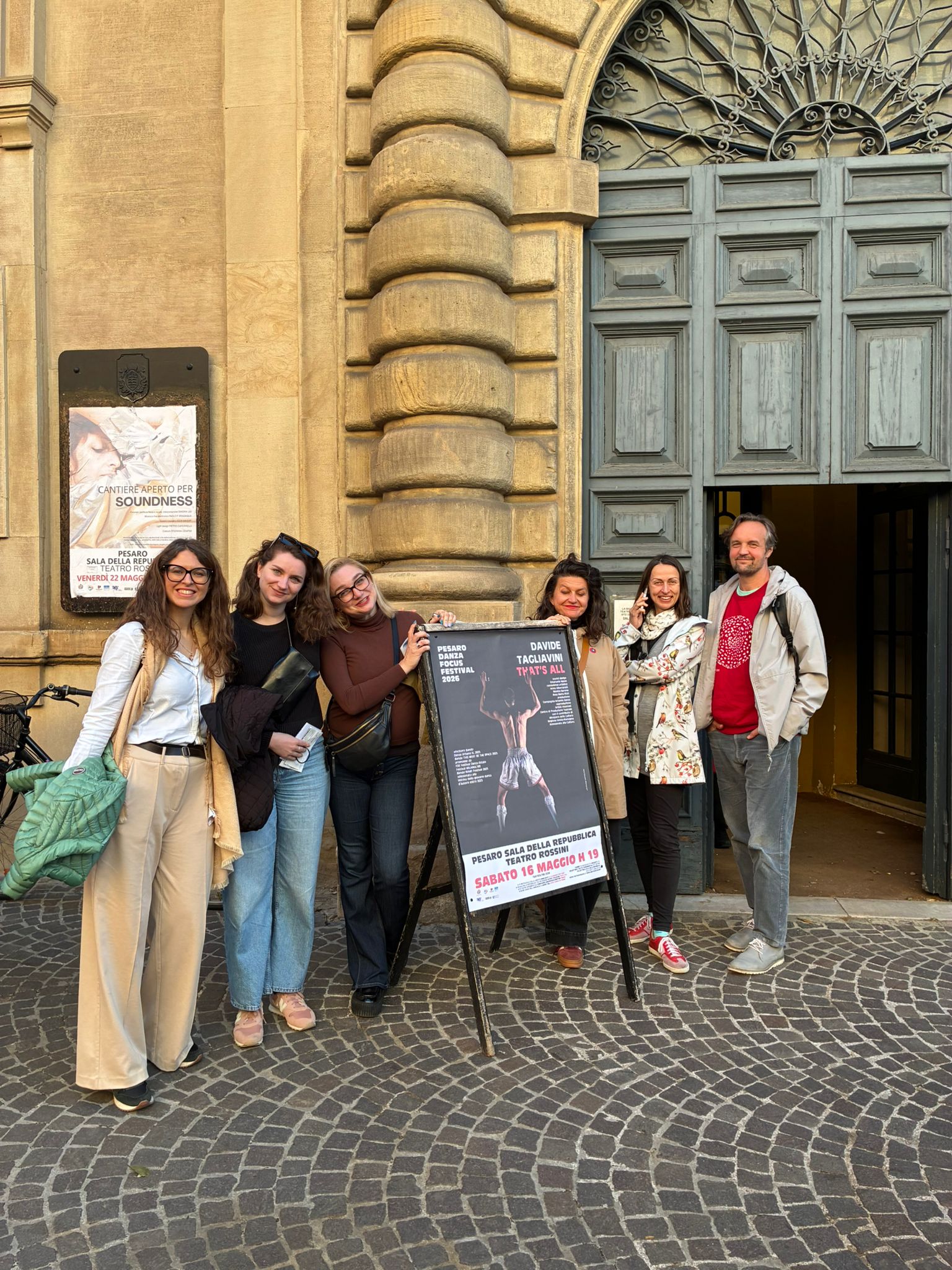
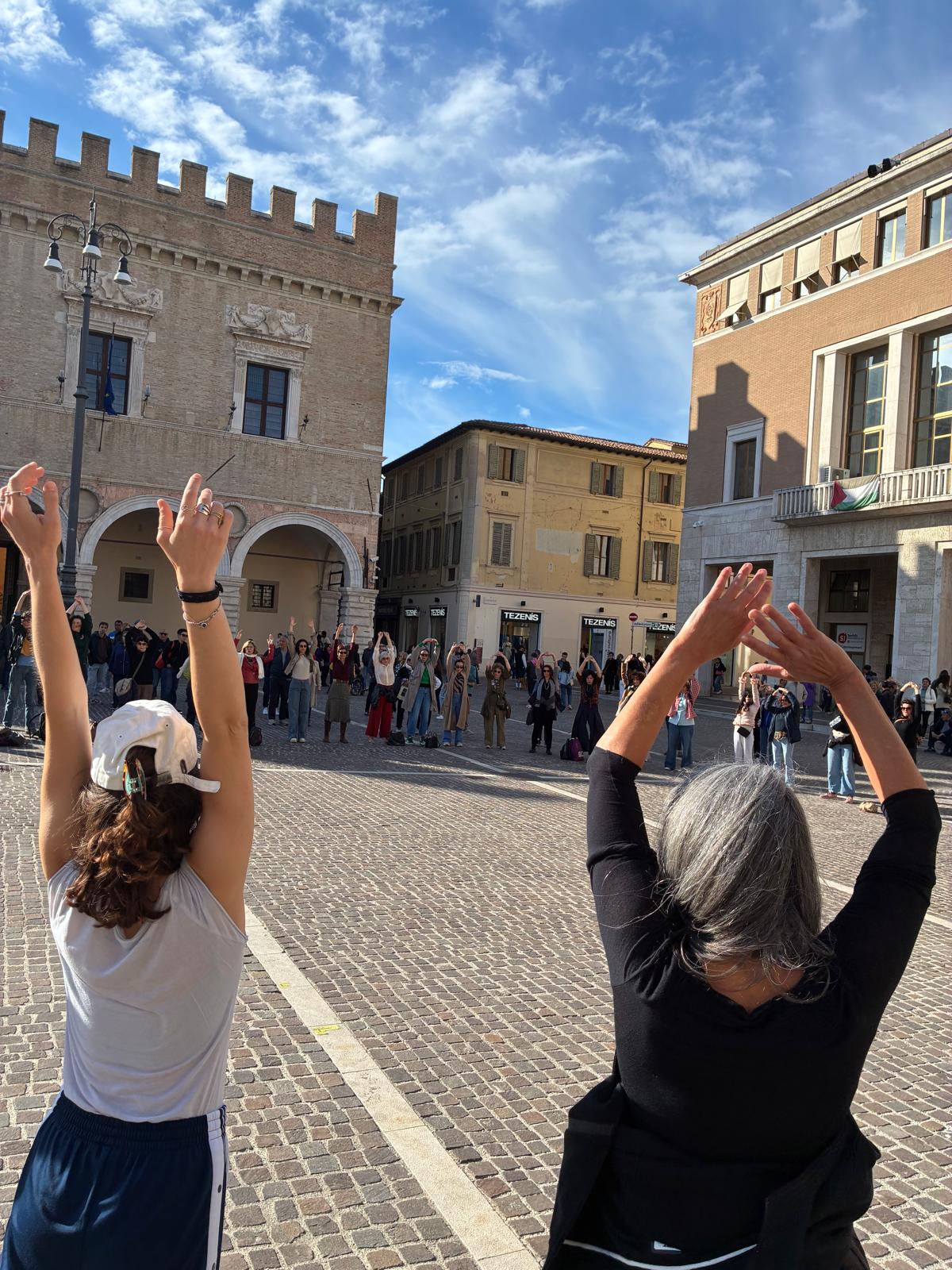
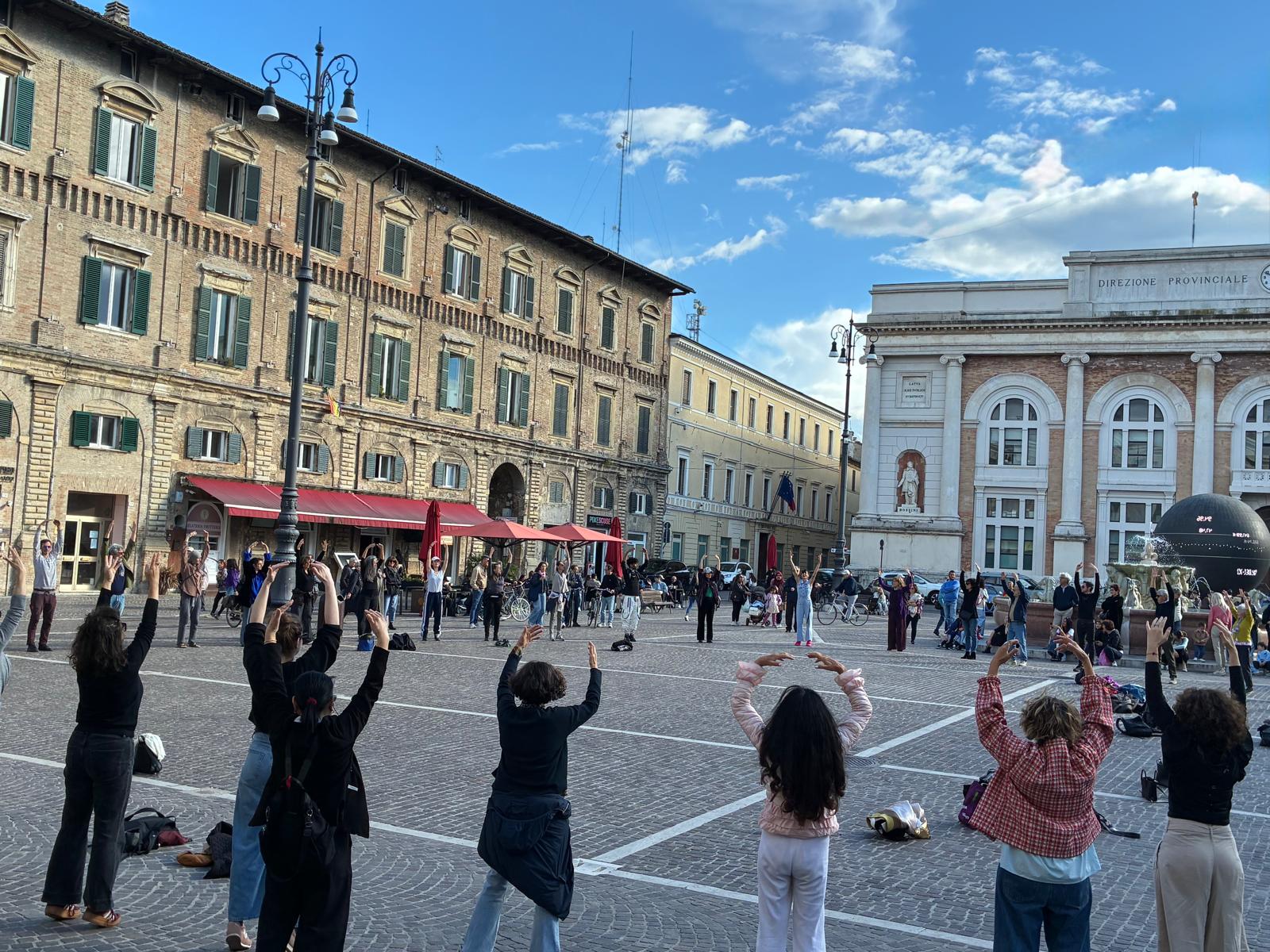
The second day brought the group to Pesaro for the Pesaro Danza Focus Festival, organised by AMAT for the past five years. Through four performances staged in four different locations across the city, the festival offered the Czech guests a concrete example of how cultural programming can activate urban spaces and engage diverse audiences through dance and site-specific experiences.
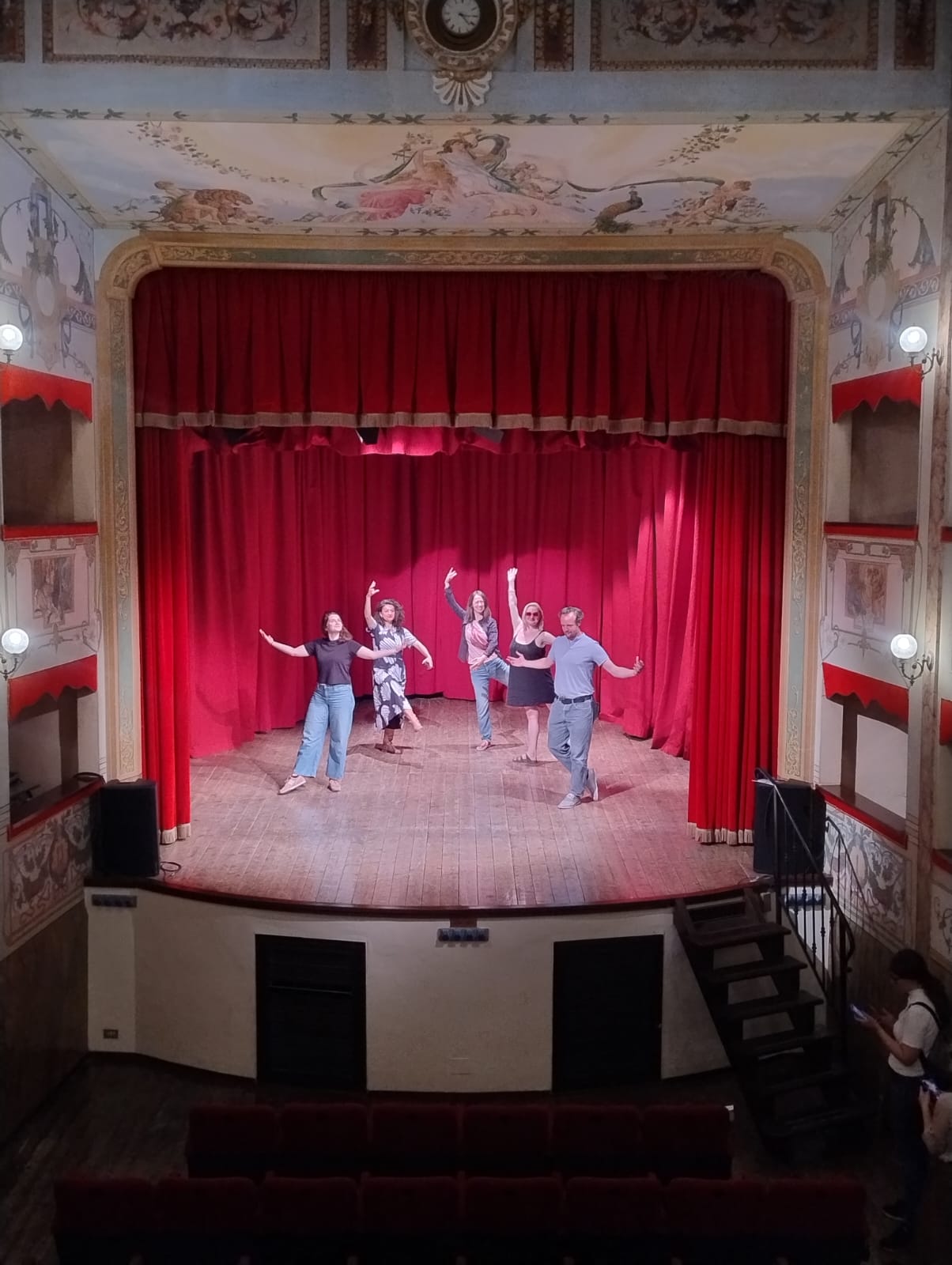
The final stage of the visit shifted once again towards the rural dimension that lies at the heart of SPARSE Plus. In San Lorenzo in Campo, the Czech team met local communities and local promoter Daniele Targhini to better understand how cultural work is developed in smaller territories through dialogue, relationships, and trust-building. The visit concluded around a shared table in a local restaurant, where homemade pasta and warm hospitality became the perfect setting for conversation and exchange — a reminder that collaboration often grows strongest through simple moments of togetherness.
Both shadowing visits demonstrated how SPARSE Plus continues to build not only professional networks, but also human relationships grounded in openness, curiosity, and a shared commitment to making culture accessible across Europe’s rural and peripheral areas.