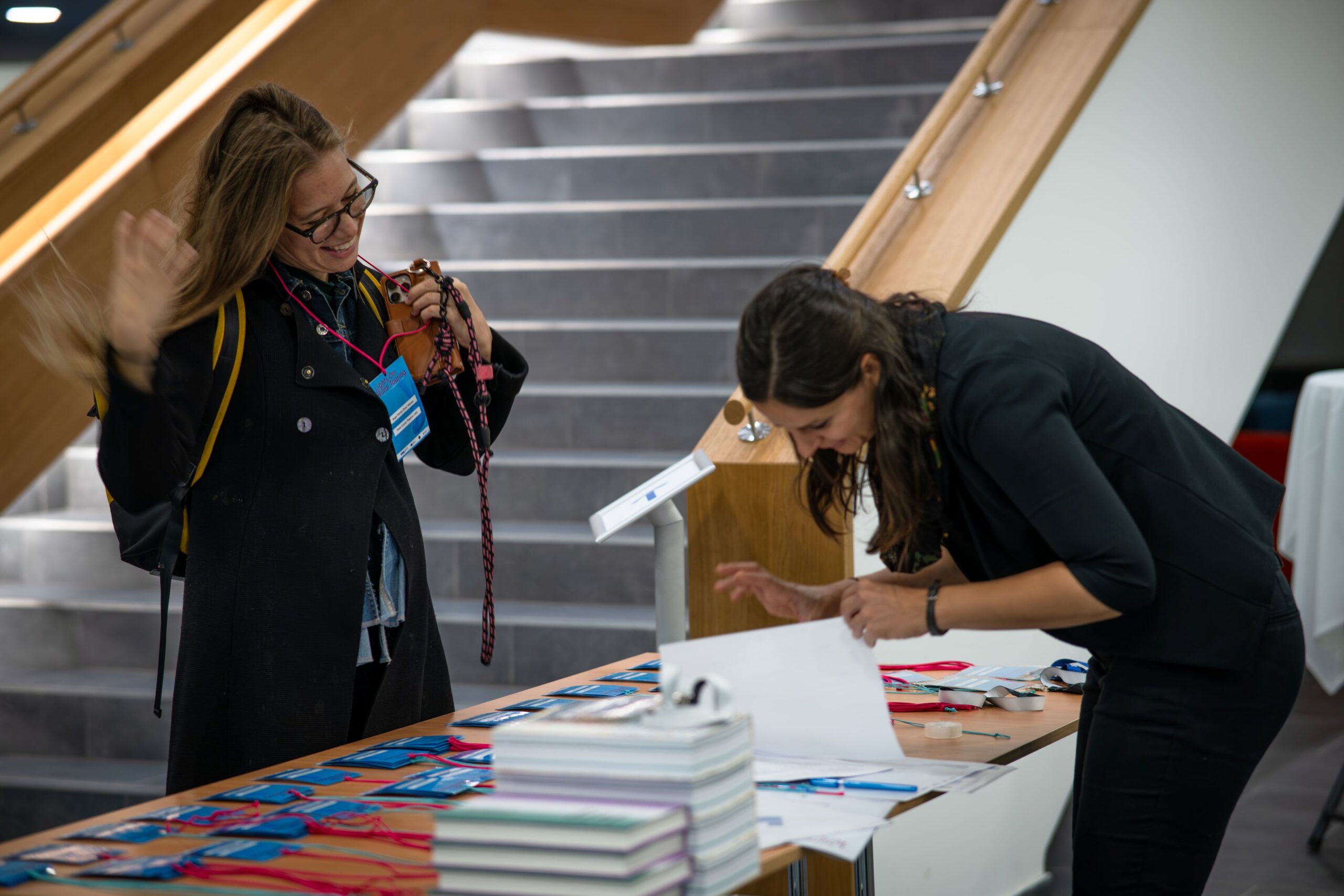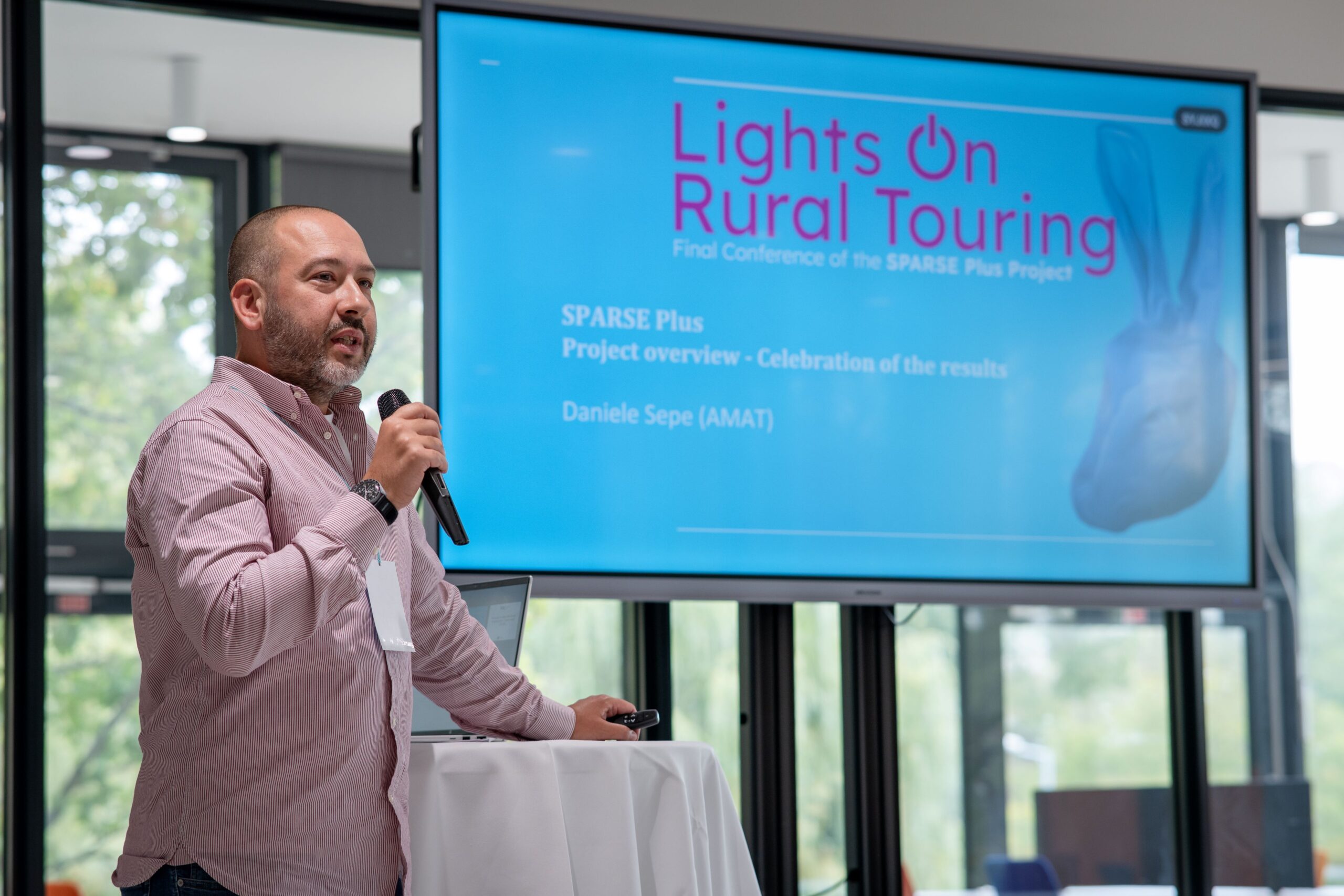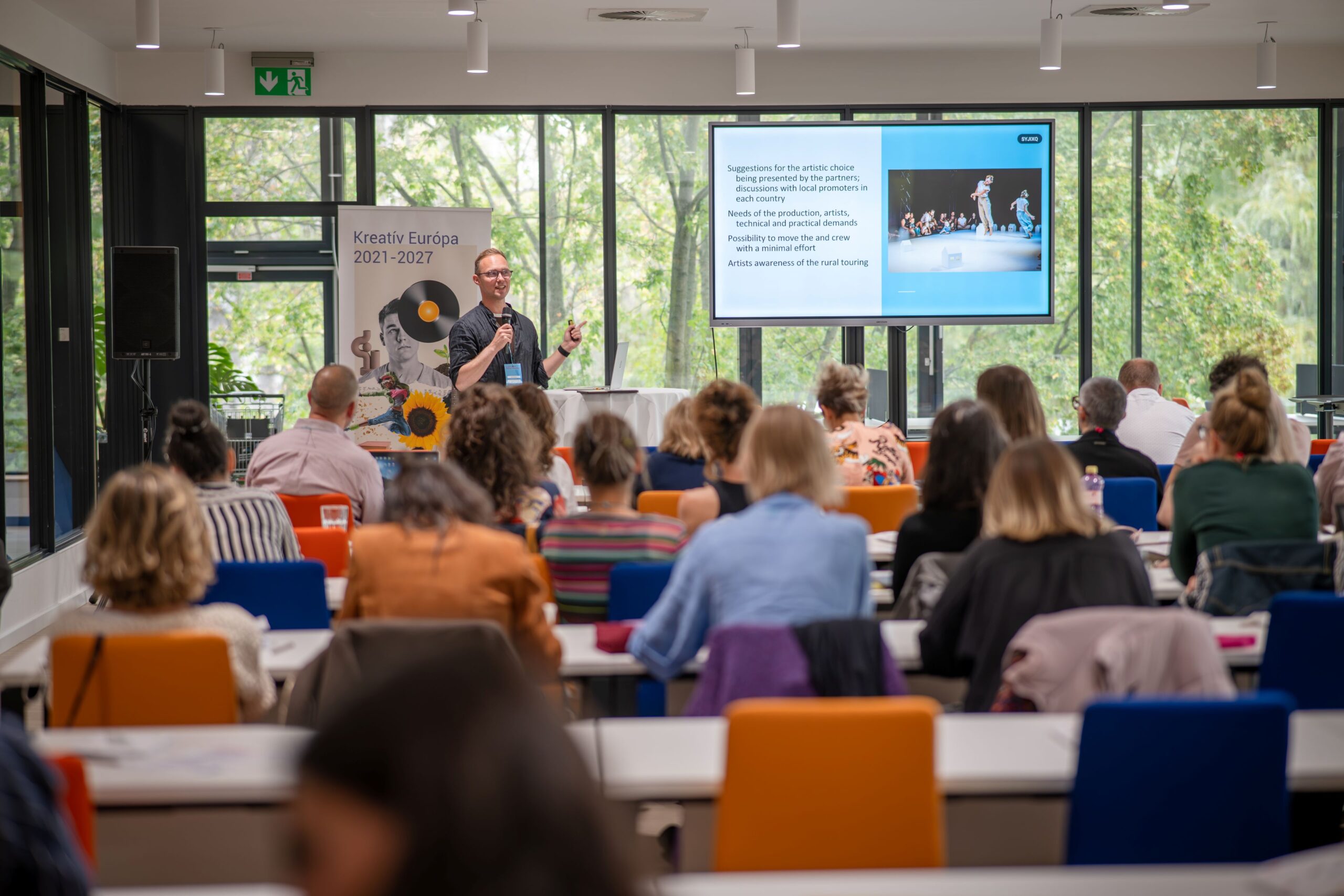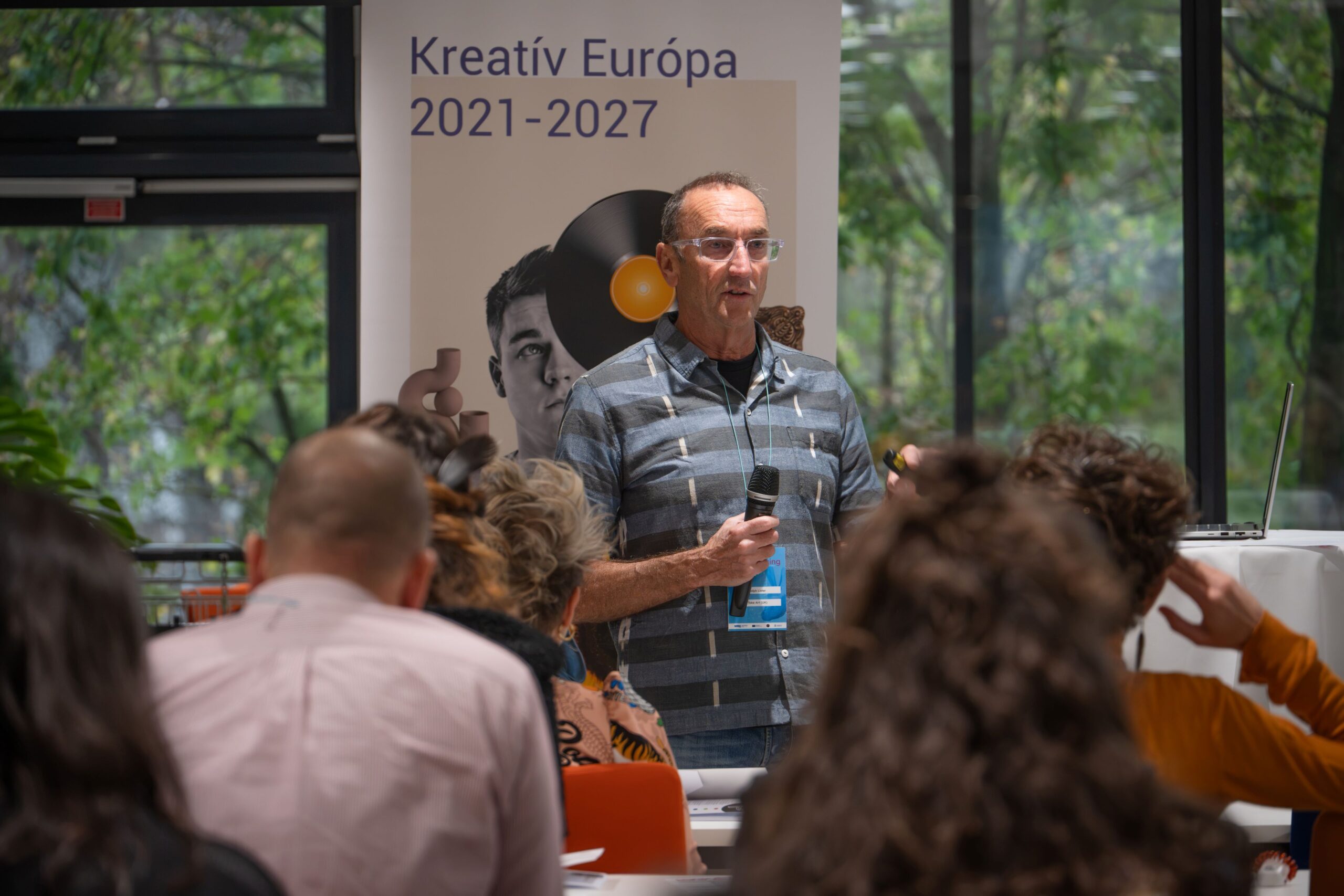
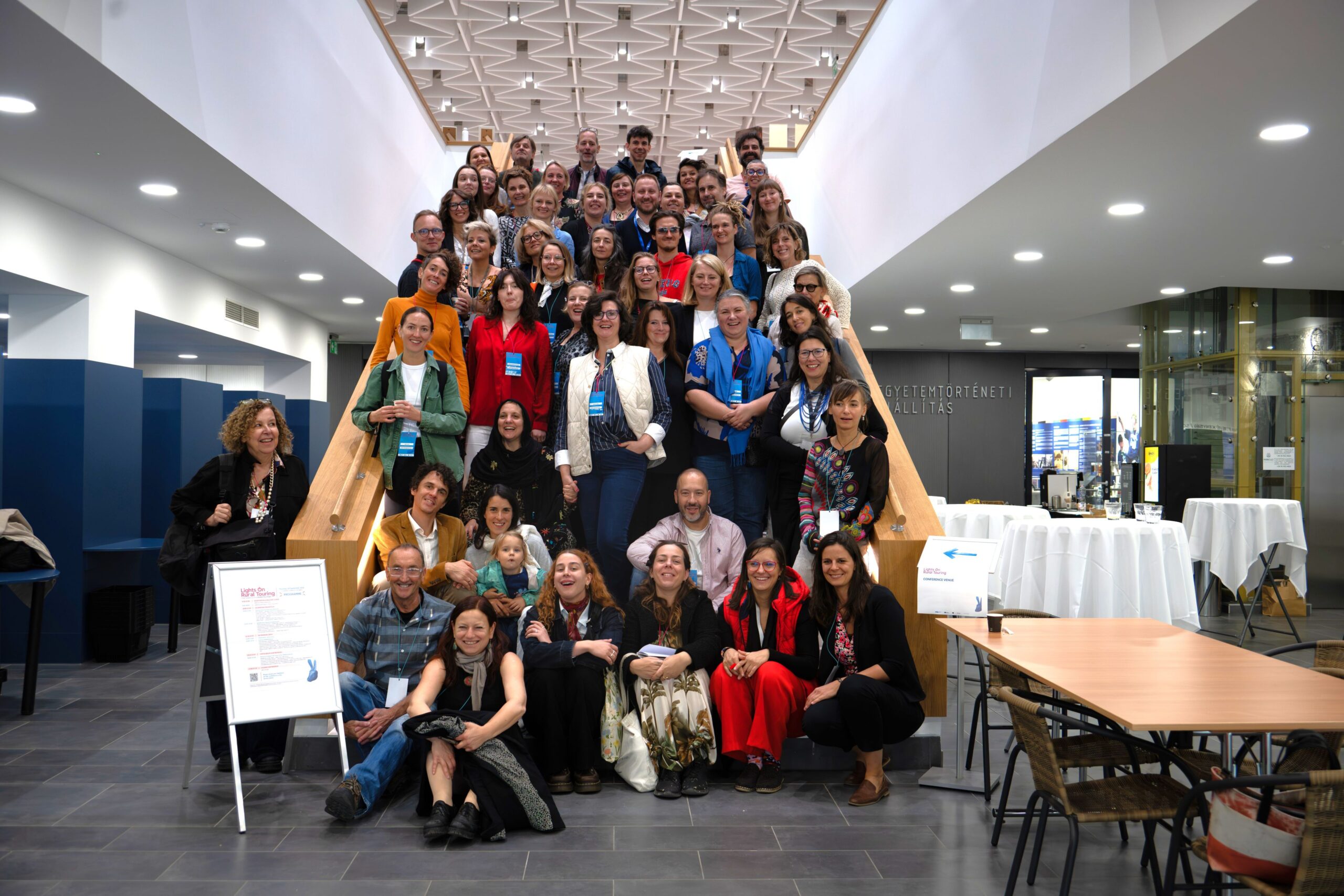
The final conference of SPARSE Plus brought together artists, cultural professionals and European partners in Miskolc, Hungary, to reflect on three years of international rural touring and explore new perspectives for performing arts in rural Europe.
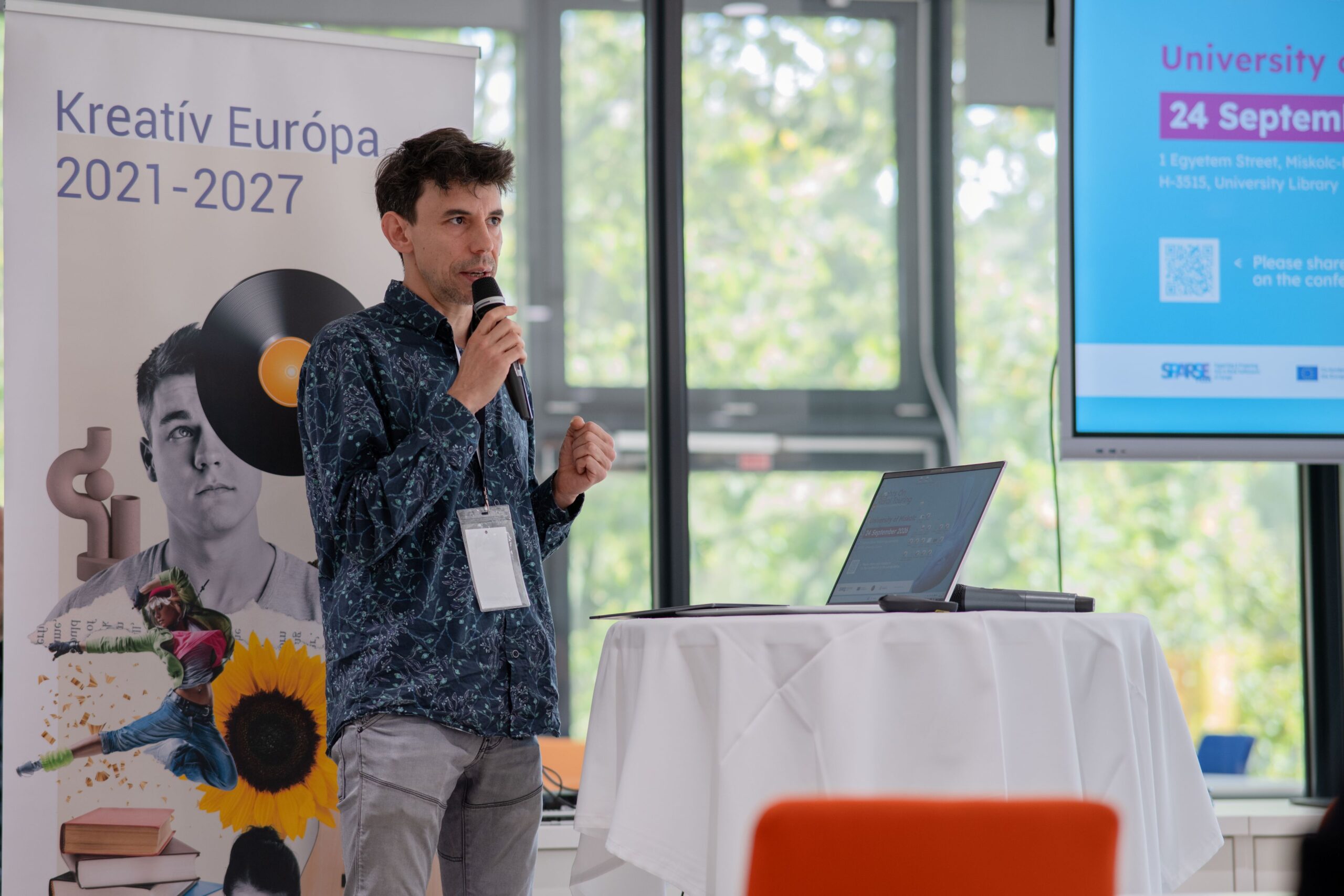
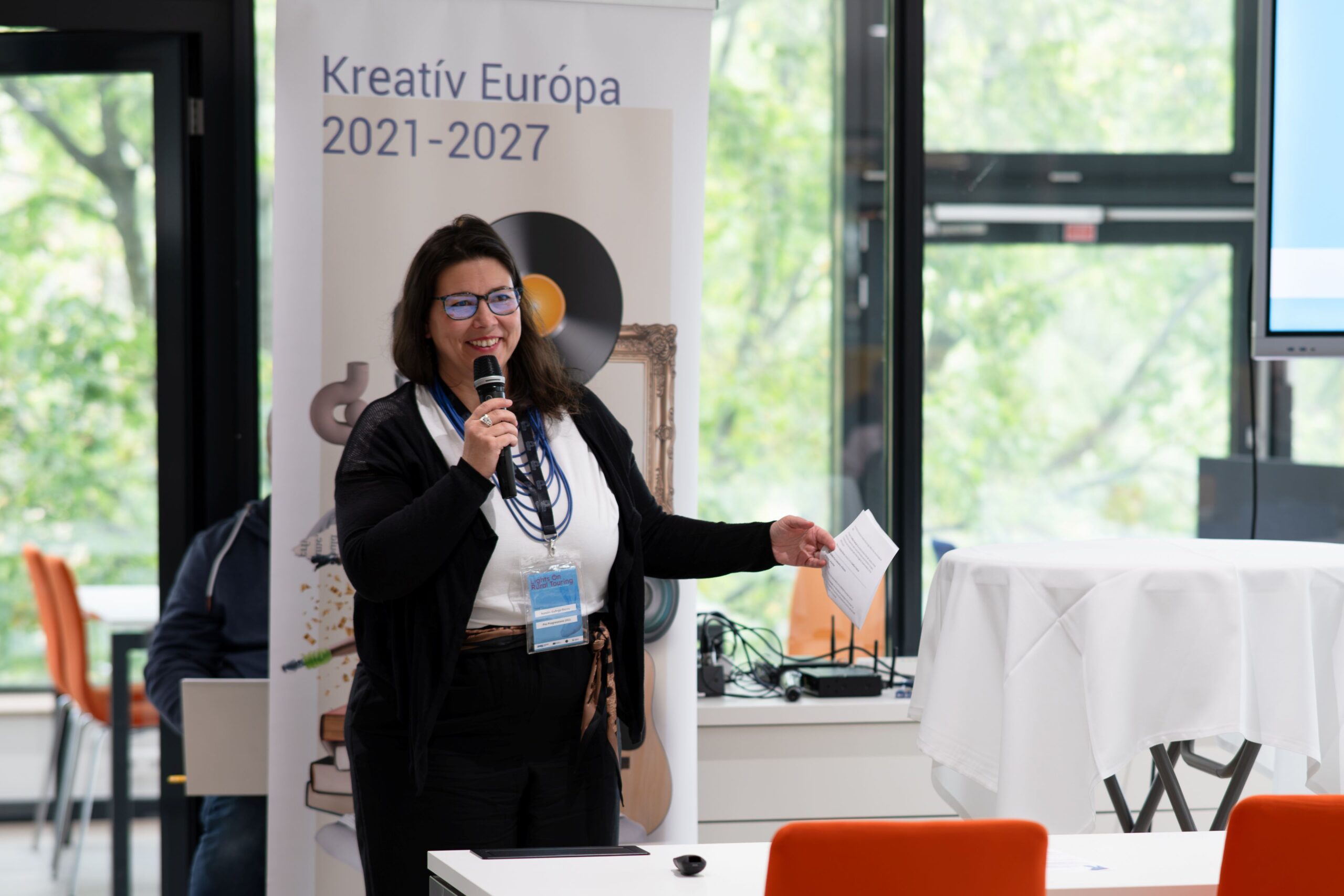
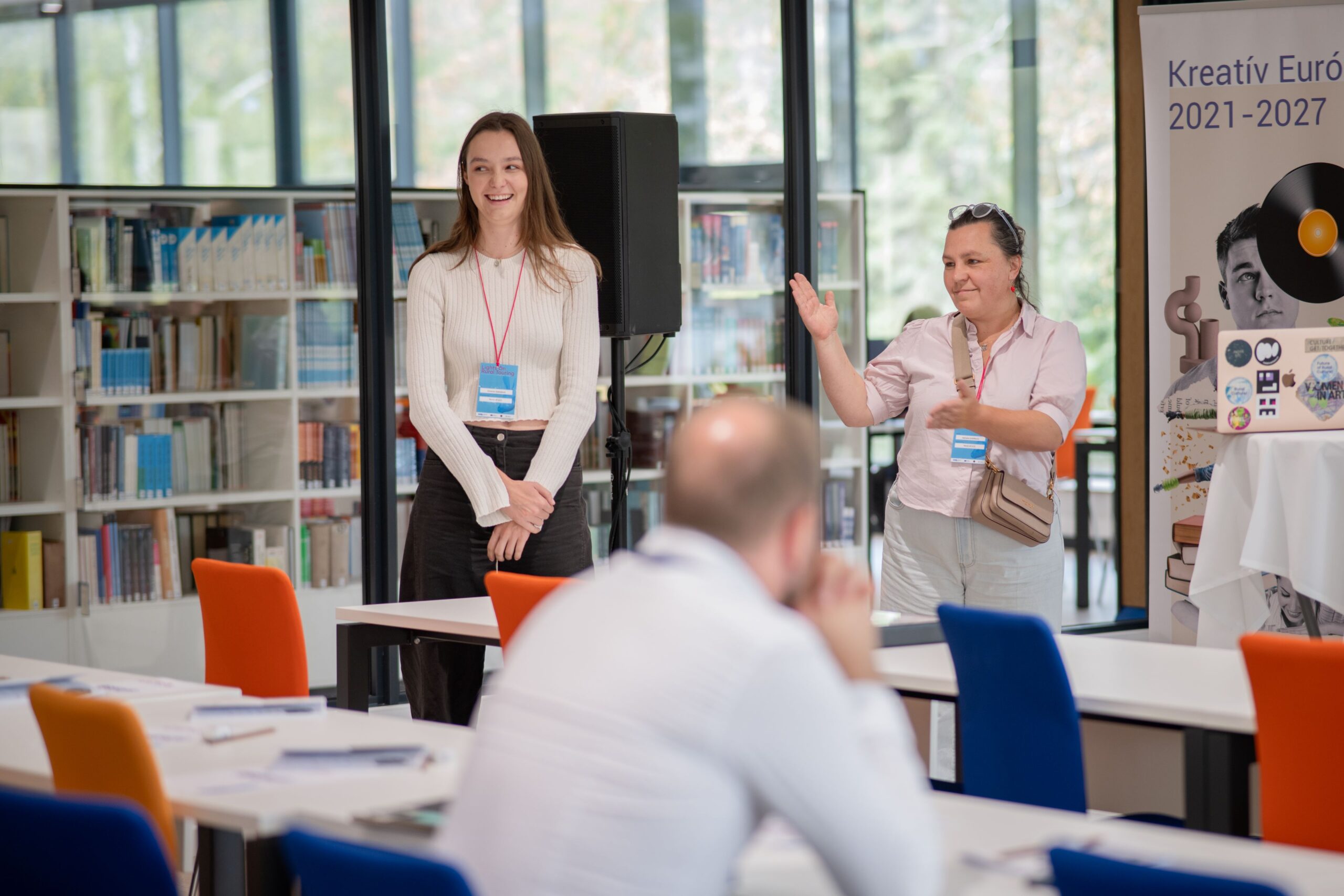
On 24 September 2026, the University of Miskolc hosted Lights On Rural Touring, the final conference of SPARSE Plus – Supporting and Promoting Arts in Rural Areas of Europe, a project co-funded by the European Union's Creative Europe programme and coordinated by AMAT (Italy).
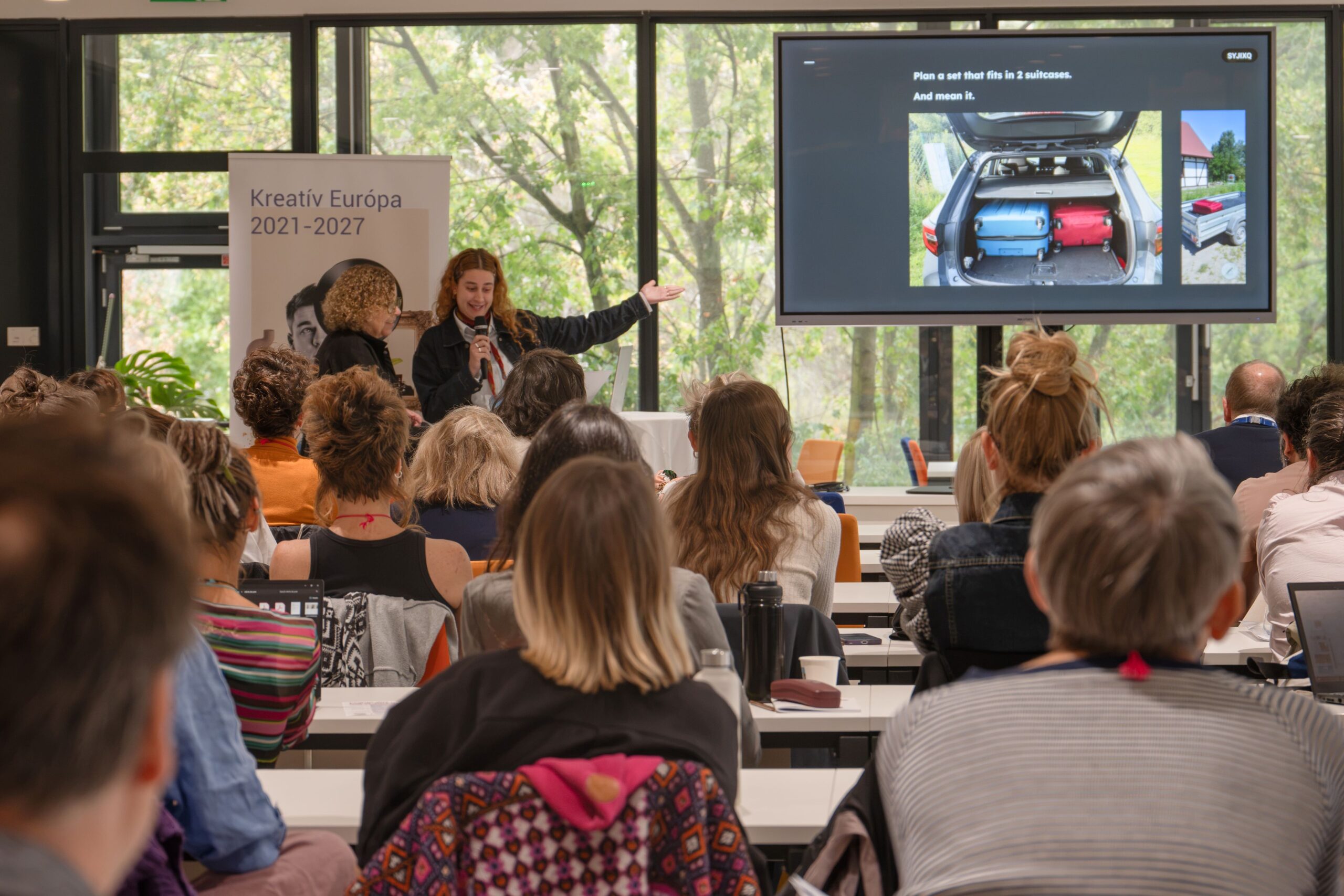
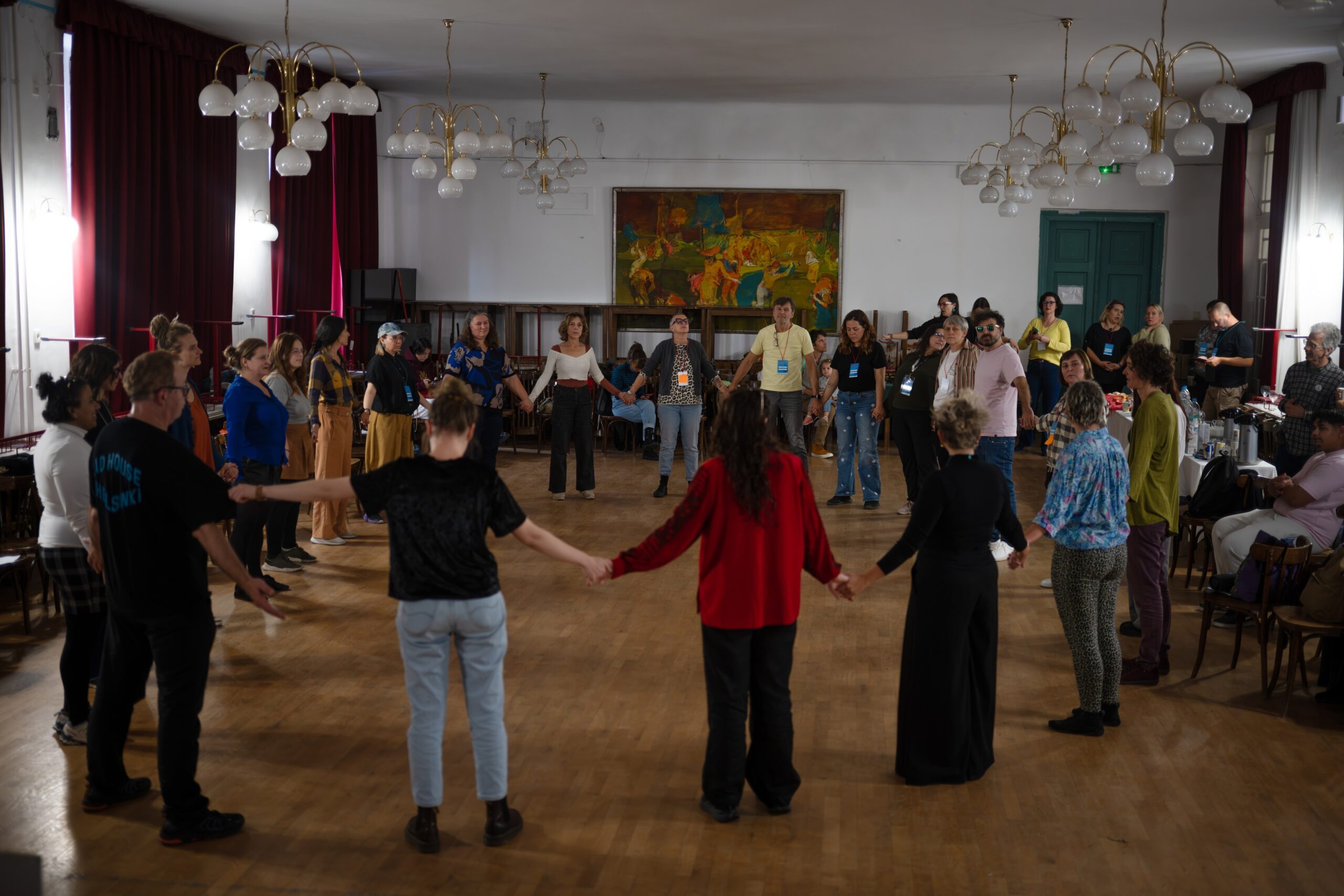
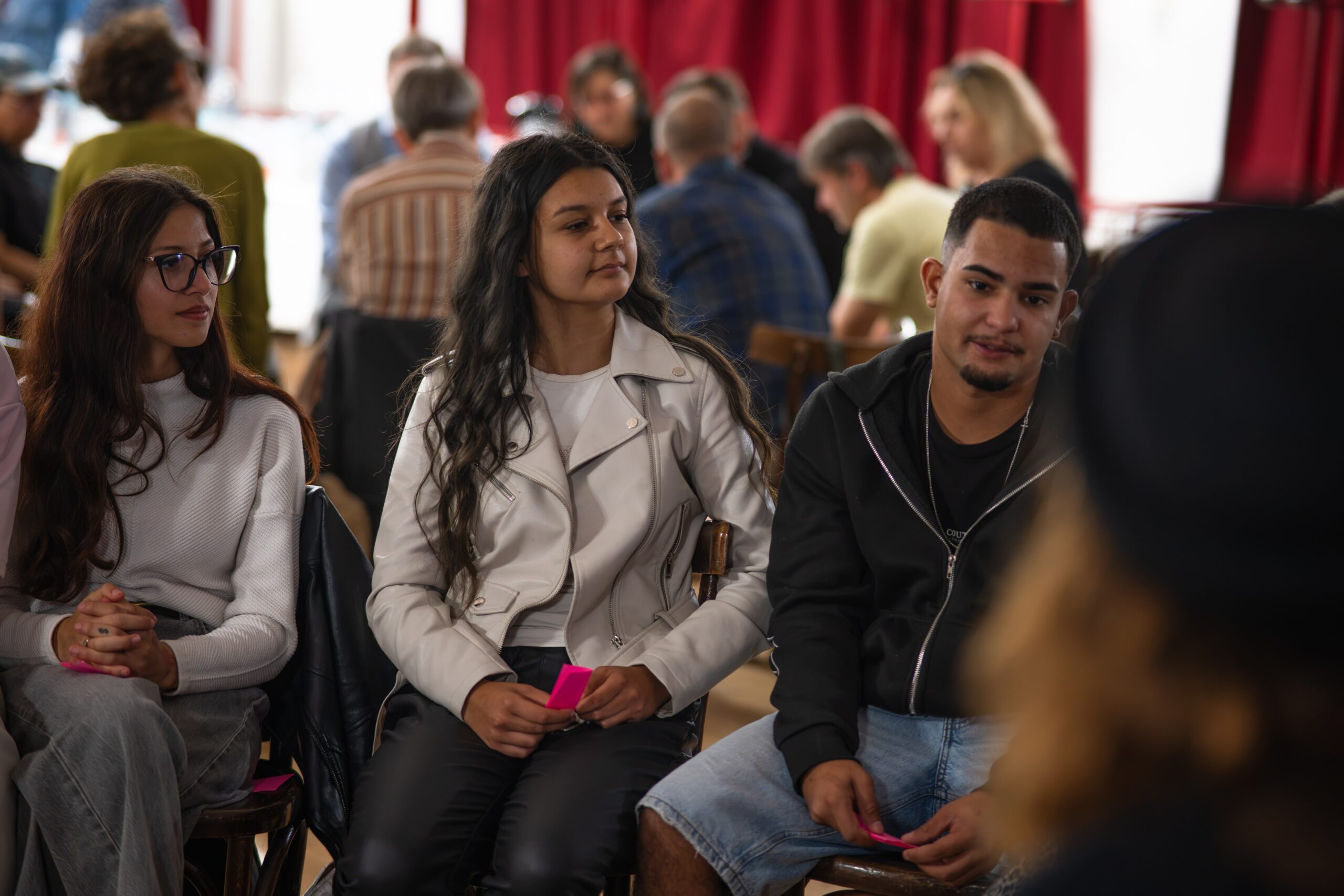
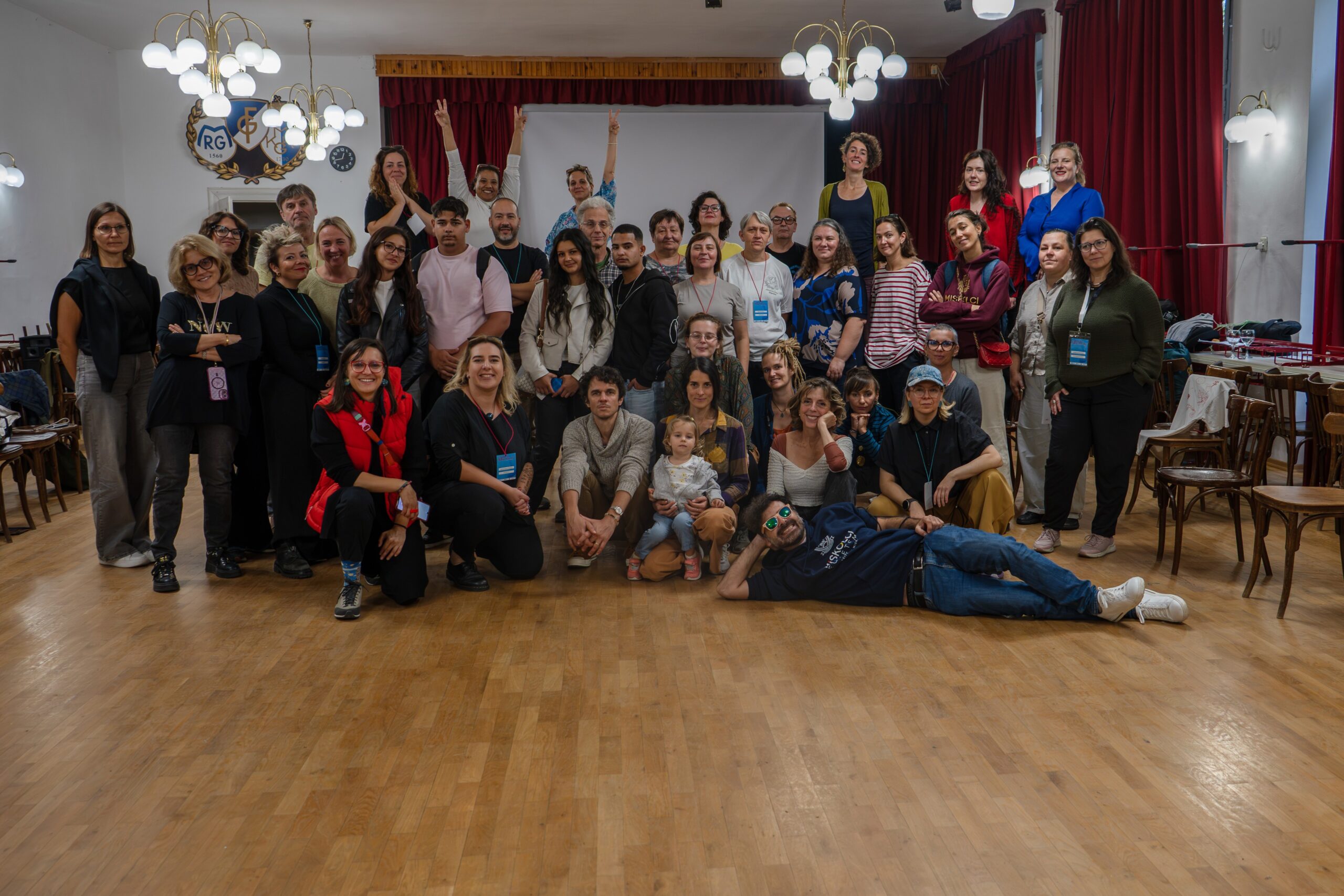
Hosted by Hungarian partner Pro Progressione, the event brought together around 60 participants from nine European countries to celebrate the project's achievements and reflect on the role of performing arts in rural communities, the challenges of international touring and the future of European cultural cooperation.
After three years of performances, exchanges, research and collaboration, the conference offered an opportunity to look beyond activities and results, asking a broader question: what happens when performing arts become part of the cultural life of rural communities, rather than simply visiting them?
The morning sessions presented the main achievements of SPARSE Plus, from international touring and mentoring programmes for artists and local promoters to research, evaluation and communication activities.
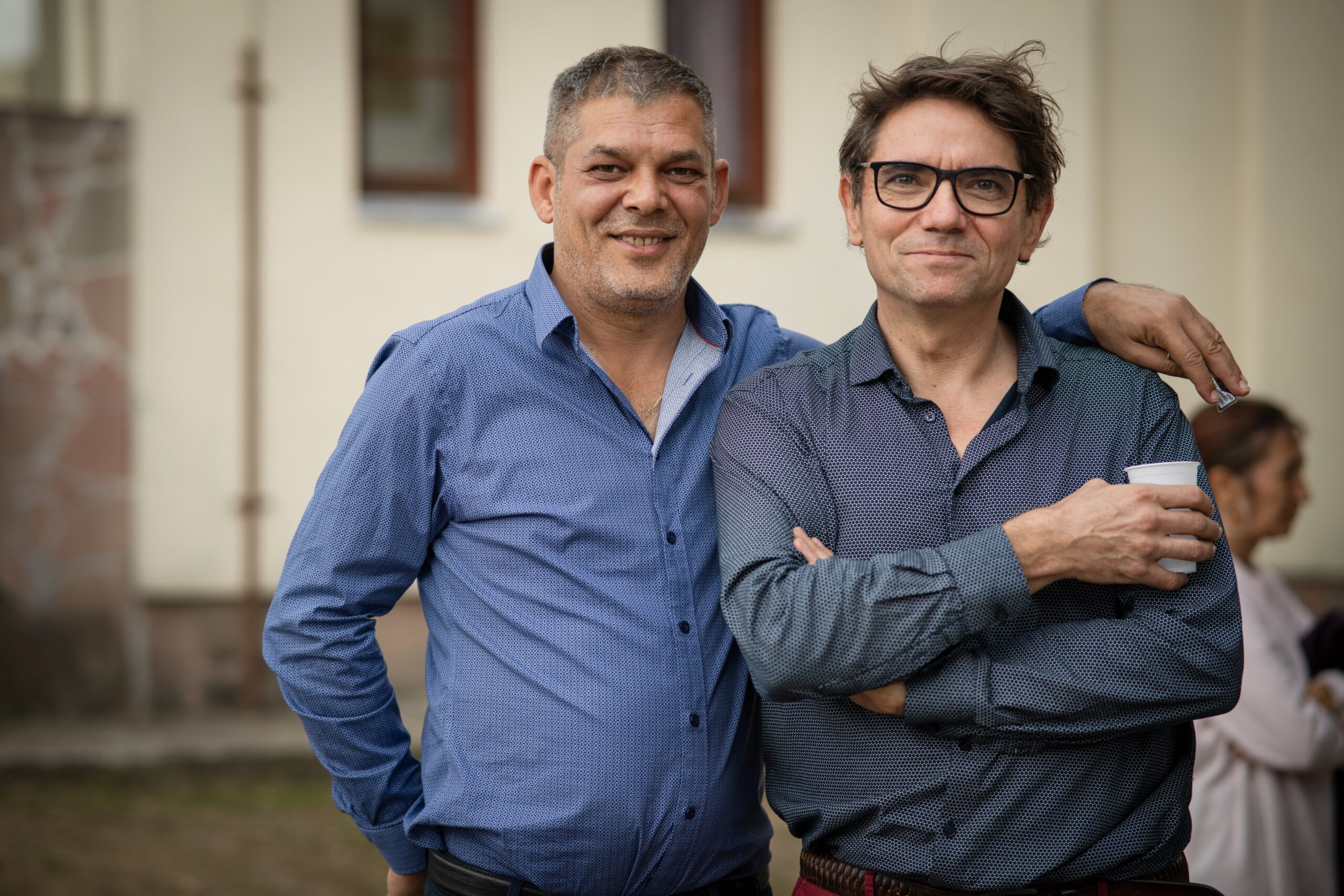
The afternoon session, "Inspiring SPARSE Stories", brought the focus to the people behind the project. Through experiences shared by artists, local promoters and cultural professionals, including community development expert Márton Beke and project manager Annamária Jacsó, the discussion highlighted how cultural experiences can generate connections extending far beyond the performances themselves.
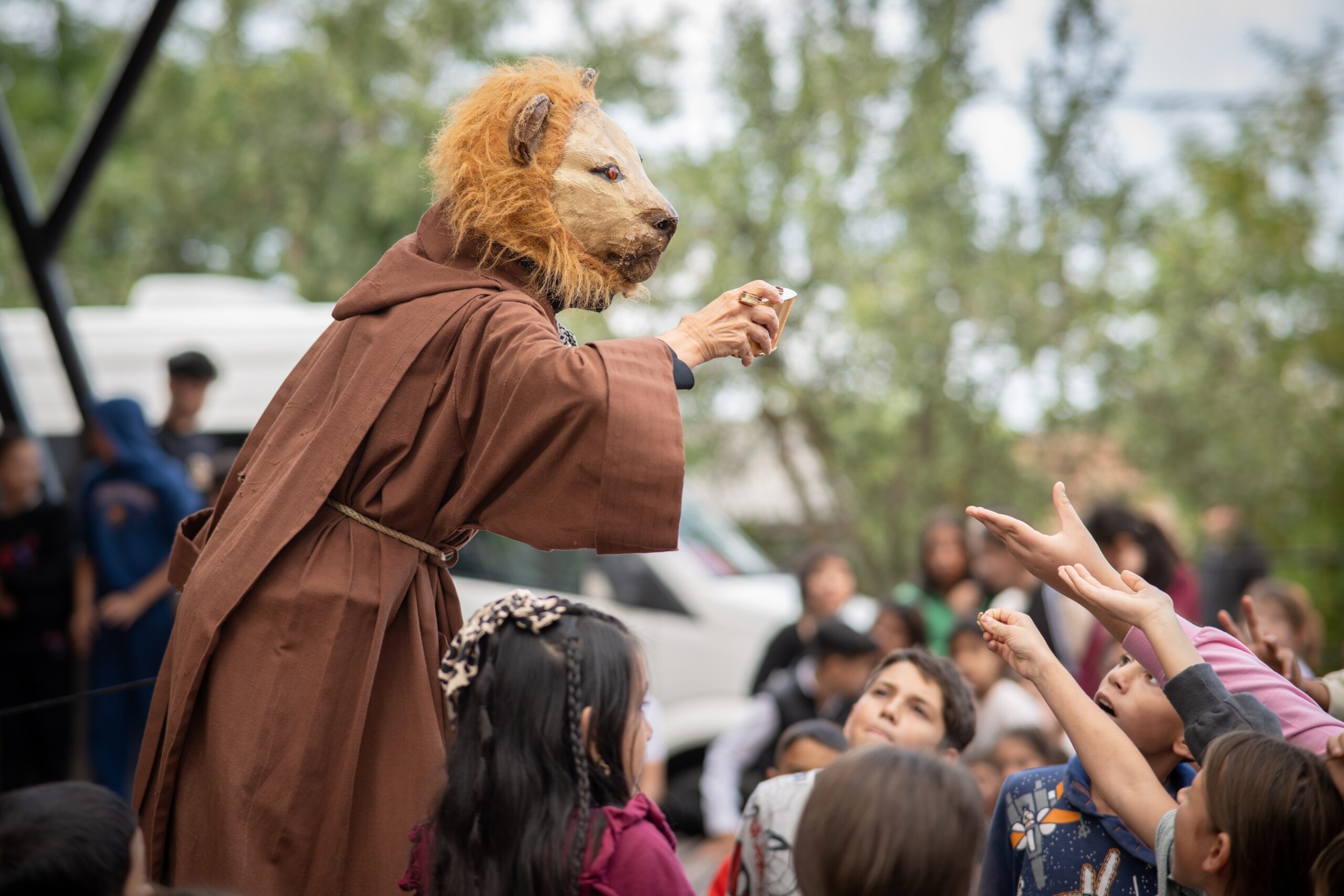
A performance in a village can become an opportunity to discover unfamiliar artistic languages, meet international artists and experience the community from a different perspective. Its impact cannot always be measured through attendance figures: forty spectators may seem a modest audience in a large theatre, but in a small village they can represent a significant part of the population.
Rural does not mean small, and the value of cultural experiences cannot be measured solely through numbers.
International rural touring is also an inherently intercultural experience. Artists and communities meet across different languages, traditions and cultural references, creating opportunities for mutual transformation.
This perspective resonates with the reflections of theatre scholar Marco De Marinis on the encounter with the Other and with Jerzy Grotowski's understanding of theatre as a space for genuine human connection.
Yet rural touring introduces another dimension: the place itself. Landscapes, local memories, natural environments and community relationships become part of the artistic experience. Rural and site-specific performances can open a dialogue between humans and the more-than-human world, inviting new perspectives on belonging, ritual and our relationship with nature.
From this perspective, rural areas are not simply destinations for cultural distribution. They are places capable of generating new artistic meanings.
Another important reflection concerned communication and the visibility of cultural life in rural Europe.
Three lessons emerged from the communication experience of SPARSE Plus: people communicate better than projects; rural does not mean small; and a European communication strategy needs local storytellers.
The stories that most effectively convey the meaning of the project are often those of the people involved: audiences discovering new artistic experiences, artists meeting local residents, communities gathering around a performance.
Through photographs, videos and testimonies collected by partners and local promoters, SPARSE Plus has created something more significant than a collection of communication materials: a visible map of rural performing arts in Europe.
A map made of villages, artists, audiences and encounters, revealing a cultural Europe that extends far beyond its major cities and established institutions.
Making rural culture visible means recognising its vitality and challenging the perception that what happens outside major cultural centres is necessarily less relevant.
Story by story, image by image, village by village, SPARSE Plus has helped bring this cultural landscape into view.
The final sessions focused on research findings and the future of rural touring in Europe.
One of the key conclusions was that rural touring is not simply about distributing art beyond cities. It is a distinct ecosystem of relationships, mobility, trust and cultural infrastructure.
Its sustainability therefore depends on supporting the entire system that makes touring possible: stable circuits, intermediaries connecting artists and communities, local promoters, shared financial risks and funded coordination.
Touring involves much more than moving a performance from one place to another. It requires local knowledge, organisational capacity, audience development and, above all, relationships built over time.
Relationships are not a secondary outcome of rural touring. They are part of its infrastructure.
The discussion then turned towards the future of the SPARSE network and the importance of maintaining the knowledge, partnerships and working practices developed during the project.
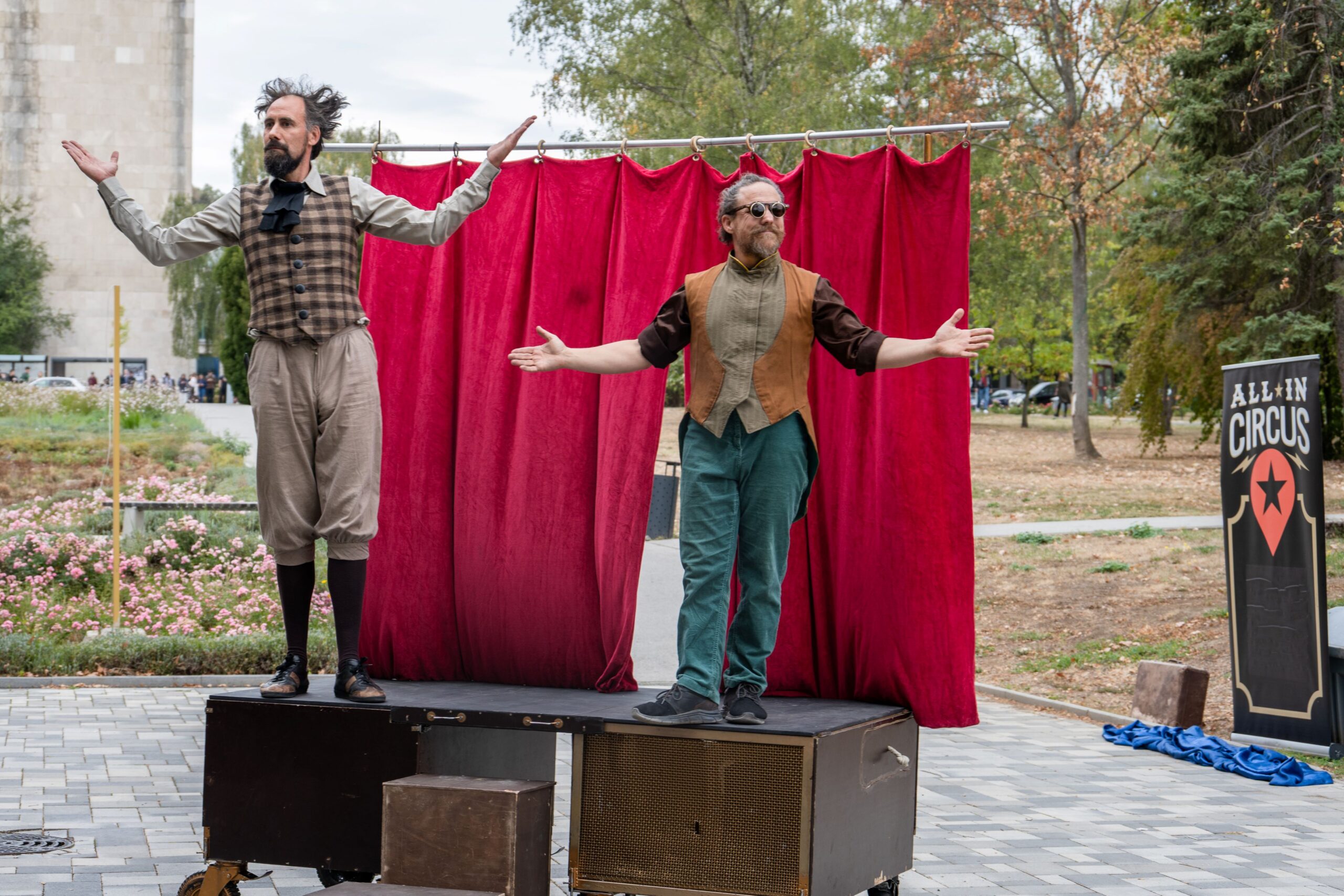
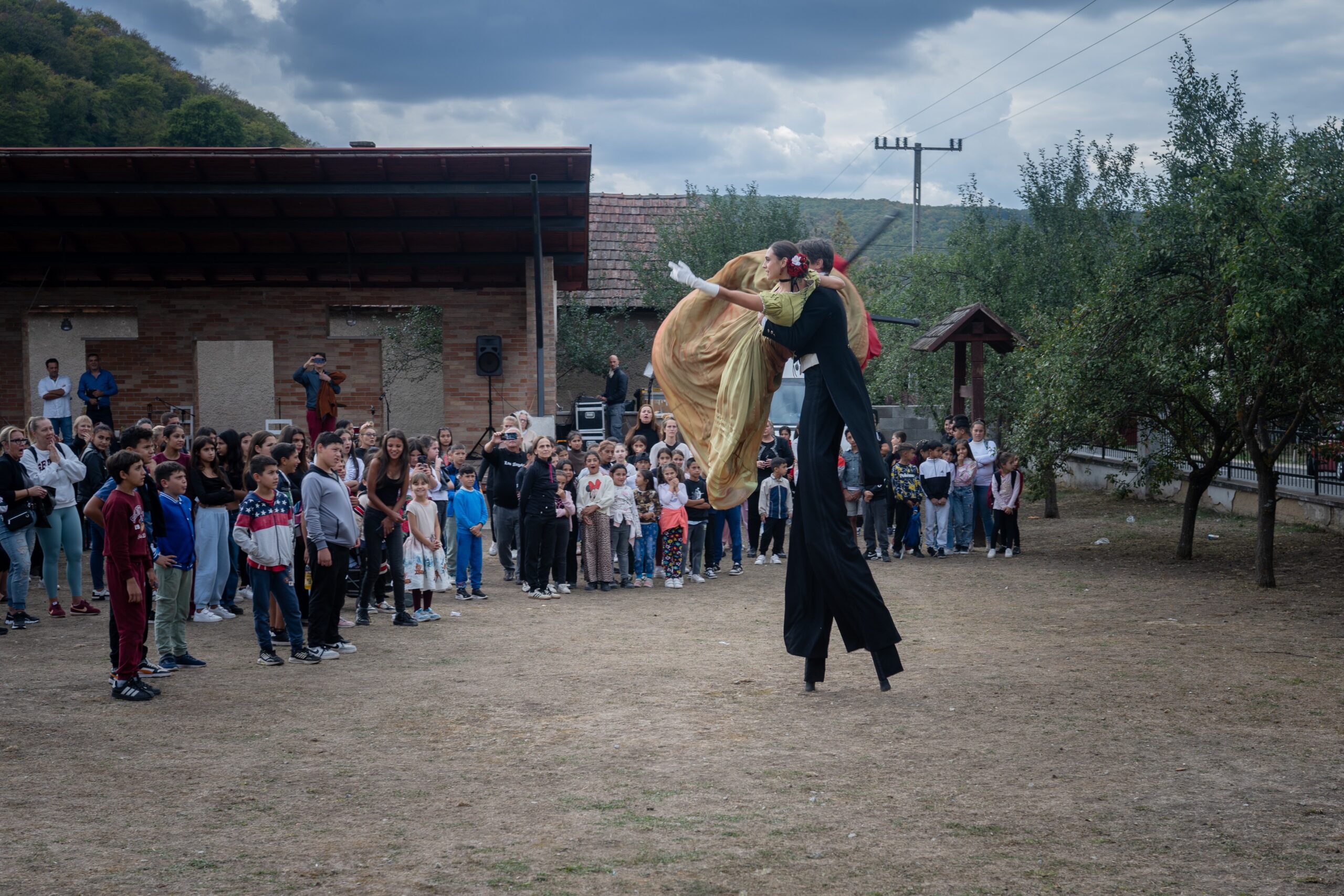
The conference concluded with a performance by Hungarian company All In Circus, bringing the day back to the shared artistic experience at the heart of SPARSE Plus.
The title Lights On Rural Touring can also be read as an invitation to look differently at Europe's cultural geography.
Rural communities are often described in terms of what they lack: resources, infrastructure or access to cultural opportunities. Yet SPARSE Plus has also revealed what they possess: knowledge, creativity, relationships and the capacity to welcome and transform artistic experiences.
After three years, the project leaves behind more than performances, research findings and project outputs. It leaves a network of people, places and relationships, and a different understanding of rural touring.
Not the movement of art from cultural centres towards the periphery, but a continuous exchange in which artists, communities and places contribute to shaping Europe's cultural life.
Keeping the lights on rural touring means recognising this ecosystem, supporting the people who sustain it and ensuring that the connections created through SPARSE Plus can continue to grow.
Because before something can be recognised, supported and valued, it first needs to be seen.